 简体中文

Consequences of Inaccurate Adhesive Ratio in Fully Automatic Glue Dispensing Machines
As a critical piece of equipment in modern industrial production, the accuracy of the adhesive ratio in a fully automatic glue dispensing machine directly determines product quality and production stability. Once the ratio becomes inaccurate, it triggers a chain reaction with far-reaching impacts.

Firstly, the most immediate consequence is a significant drop in product yield. An imbalance in the adhesive components fundamentally alters its chemical properties. If the proportion of hardener is too low, the adhesive will struggle to cure completely, remaining tacky or overly soft, leading to insufficient bonding strength. This causes products to easily debond or detach during subsequent processing or use. Conversely, if the hardener is excessive, the adhesive may cure too quickly, becoming overly hard or even brittle, losing necessary elasticity and toughness, and causing brittle fracture under minor stress. Both scenarios result in failure of bonding, sealing, or potting processes, generating a large number of defective products and scrap, and causing huge waste of raw materials and production time.
Secondly, an inaccurate ratio severely affects the smoothness of the production process. Adhesive with a deviant ratio will have an unpredictable pot life (workable time) and curing time. The adhesive might cure prematurely in the dispenser, clogging the precision—and often expensive—nozzles and fluid pathways. This forces frequent production line stoppages for tedious cleaning and maintenance, significantly dragging down overall production efficiency. This disruption to the production rhythm can also derail production schedules and increase equipment downtime and labor costs.
A more hidden yet profound impact is the damage to the product's long-term reliability. Even if products pass initial inspection, inherent ratio defects create hidden dangers. Insufficient bonding strength or uneven stress within the adhesive layer can cause products to fail prematurely under real-world conditions like vibration or thermal cycling. For instance, in the electronics industry, incorrect potting compound ratios can accelerate component aging and lead to decreased insulation performance, shortening the product's lifespan. In the automotive sector, failure of structural adhesives can directly compromise vehicle safety. This significantly reduces product durability and can lead to customer complaints, returns, and damage to brand reputation.

Furthermore, uncontrolled ratios lead to additional cost burdens. To compensate for poor bonding, operators might unconsciously increase the amount of adhesive dispensed, trying to make up for lack of "quality" with "quantity." This crude practice causes a substantial increase in adhesive consumption, driving up production costs.
In summary, the adhesive ratio in a fully automatic dispensing machine is by no means a minor issue. It is a core link in ensuring product quality, production efficiency, long-term reliability, and cost control. Maintaining its accuracy and stability is an indispensable part of modern intelligent production management.
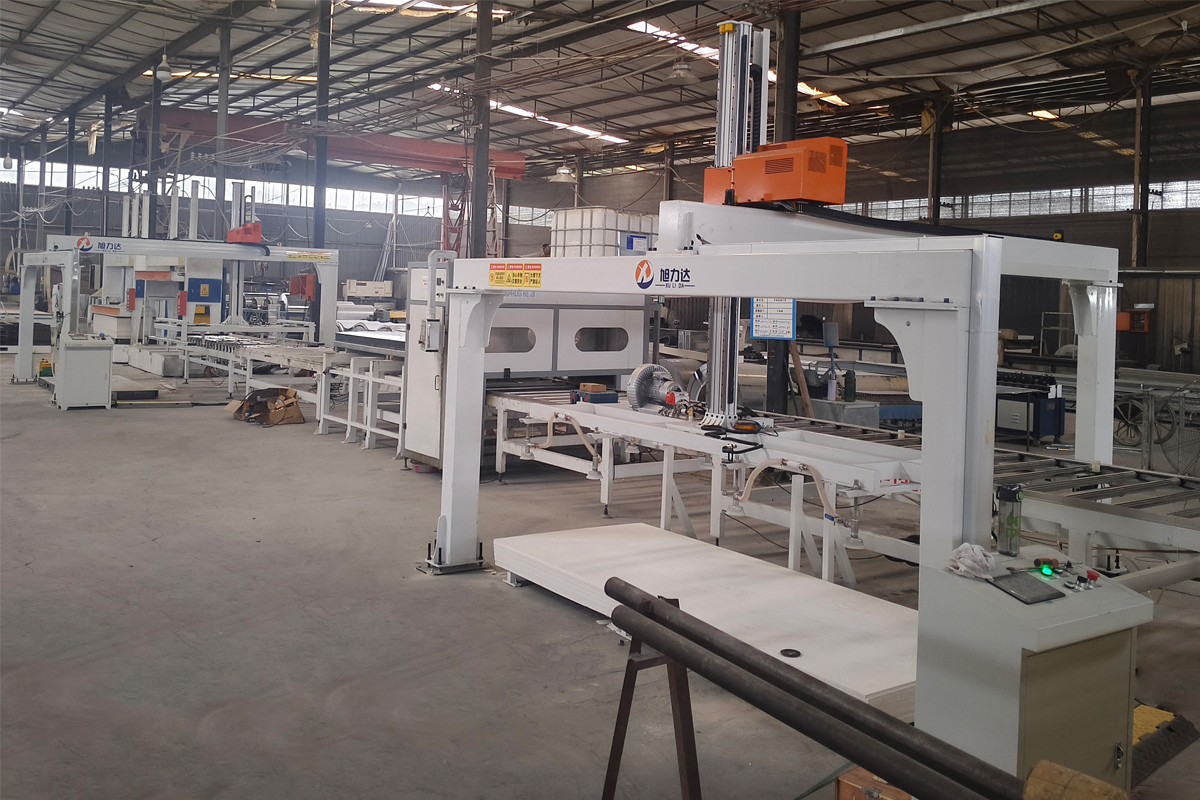
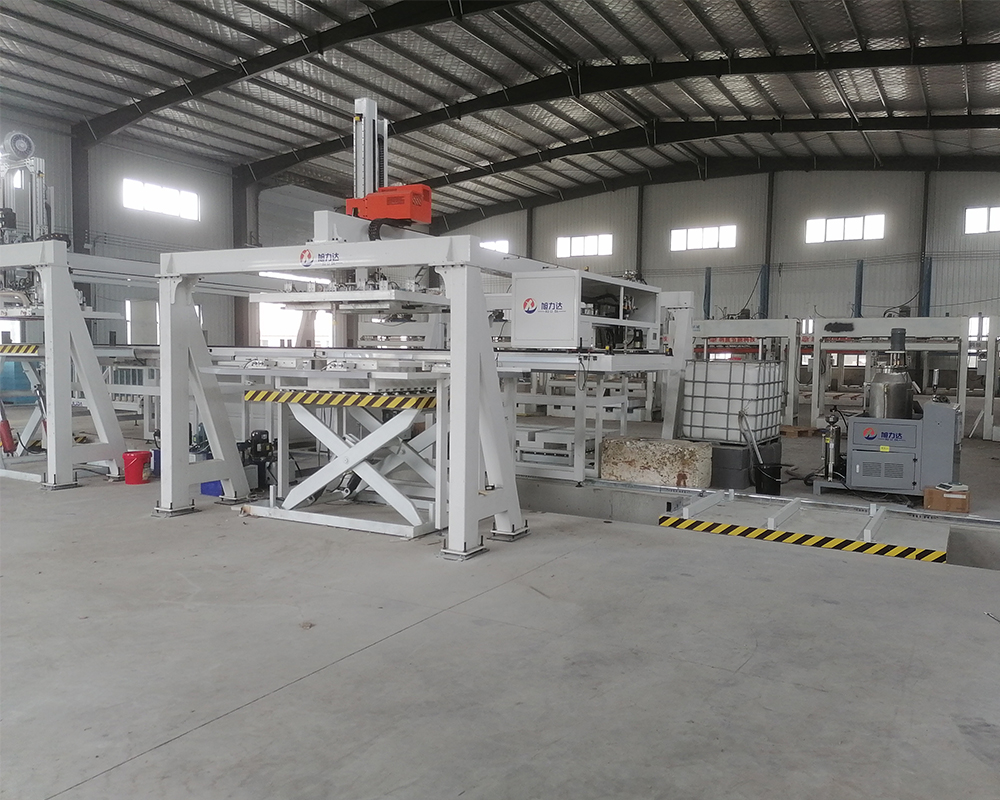
Xulida fully automatic glue dispensing machineadopts high viscosity, large flow, chemical grade precision metering pump, which has accurate metering, stable quality and long service life.
 How Is the After-Sales Service of a Direct Manufacturer of C
 Glue Spraying vs. Roller Coating: Key Differences in Adhesiv
 What is the difference between a standalone fully automatic
 Panel Laminating Equipment Accelerates Its Transition Toward