 简体中文
简体中文

Comparison of Advantages and Disadvantages Between Hot Press and Cold Press for Panel Lamination
I. Core Process Difference
A hot press applies pressure while heating the platens (electric, oil, or steam) to rapidly cure the adhesive. A cold press relies on ambient temperature and prolonged pressure holding for natural adhesive hardening.
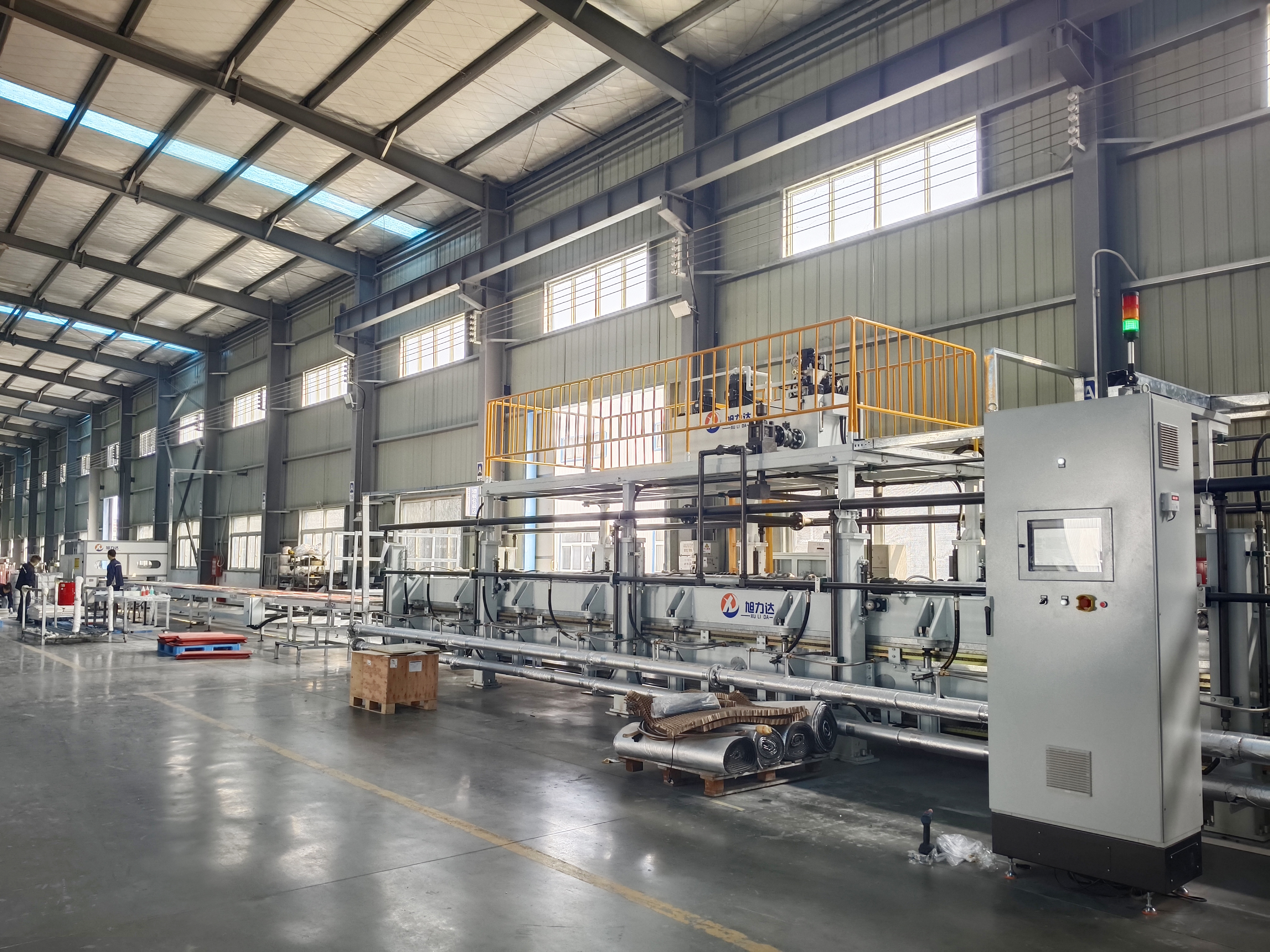
II. Advantages of Hot Press
1. Higher bonding strength: Heat activates the chemical reactivity of adhesives (epoxy, phenolic, hot melt), forming strong molecular bonds – ideal for load-bearing structures like metal panels, aluminum honeycomb, and fiberglass boards.
2. Fast production cycle: Curing time is typically 3–20 minutes, enabling continuous feeding and high-volume production lines.
3. Excellent flatness: Heat partially relieves internal stresses in substrates, reducing warping, bubbles, or localized delamination, resulting in consistent thickness.
4. Wide adhesive compatibility: Allows solvent-free hot-melt films, powder adhesives, and other eco-friendly options, as well as systems requiring heat activation.
III. Disadvantages of Hot Press
1. High capital and energy cost: Heating systems, temperature control units, and heat-resistant platens are expensive; continuous operation incurs significant electricity or fuel expenses.
2. Not suitable for heat-sensitive materials: Foams, PE/PP honeycomb, and some thermoplastics may soften, deform, or melt under heat.
3. Complex maintenance: Heating elements need periodic calibration; thermal oil lines risk leakage; platens may distort over time, leading to long repair downtime.
4. Higher safety demands: Hot surfaces require guarding; workshop heat extraction is needed; some adhesives may release minor volatiles at high temperature.
IV. Advantages of Cold Press
1. Low investment and operating cost: No heating system – simple hydraulic or pneumatic structure. Unit price is about 1/3 to 1/2 of a comparable hot press; power consumption is very low.
2. Ideal for heat-sensitive and lightweight materials: Can bond polyurethane foam, EPE pearl cotton, honeycomb paperboard, and uncured prepreg sandwich structures at room temperature.
3. Simple operation and maintenance: Fewer failure points; platens do not require heat resistance; general mechanics can service it – daily checks on hydraulic oil and seals.
4. Lower safety and environmental concerns: No burn risk, no hot exhaust; with water-based adhesives, VOC emissions are extremely low.
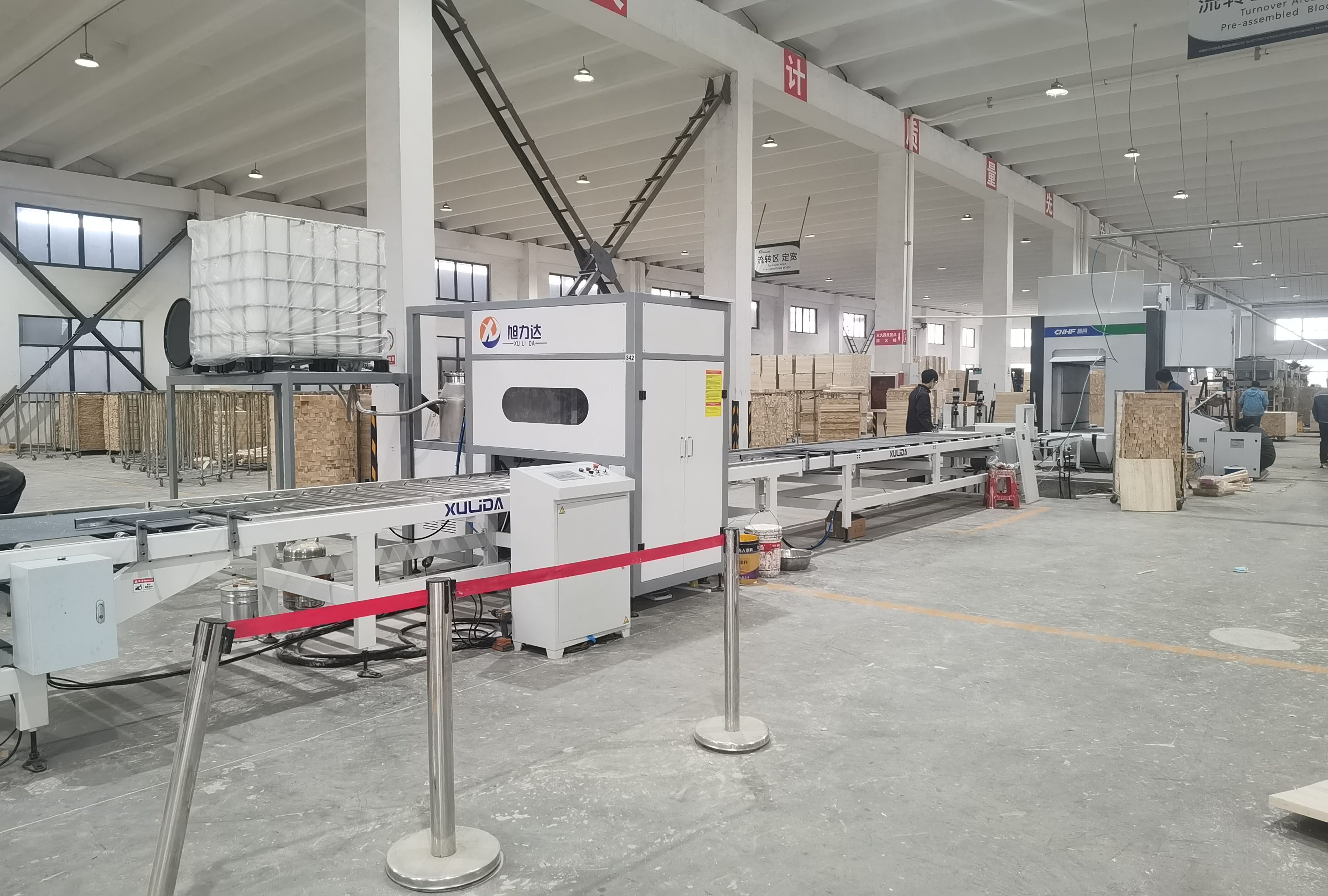
V. Disadvantages of Cold Press
1. Very long curing time: Typically requires 4–24 hours under pressure, occupying many tooling stations – unsuitable for high‑throughput continuous production.
2. Limited bonding strength: Incomplete adhesive crosslinking at room temperature leads to poorer heat, water, and creep resistance; long-term loads may cause delamination.
3. Significant environmental influence: Cold or humid conditions impair curing, requiring heated workshops or extended pressing time – quality consistency suffers.
4. Prone to local defects: Without heat softening, curved substrates or boards with thickness variation often result in uncompressed edges or localized glue voids.
VI. Key Selection Criteria
· Choose hot press when the product must withstand mechanical loads, weather resistance, or long-term use (e.g., truck floor panels, architectural decorative panels, fire‑resistant furniture boards) and daily output reaches several hundred sheets – the overall benefits of hot pressing prevail.
· Choose cold press when processing low‑density insulation panels, acoustic underlayments, hand‑made sandwich panels, small‑batch custom orders, or when initial budget is limited or power supply is restricted – cold press is a practical starting point.
In practice, a combined process is also used: cold pre‑pressing to prevent shifting before final hot curing, or hot pressing followed by cold pressing under pressure to cool down and reduce warping due to thermal stress. This hybrid approach balances efficiency and yield.
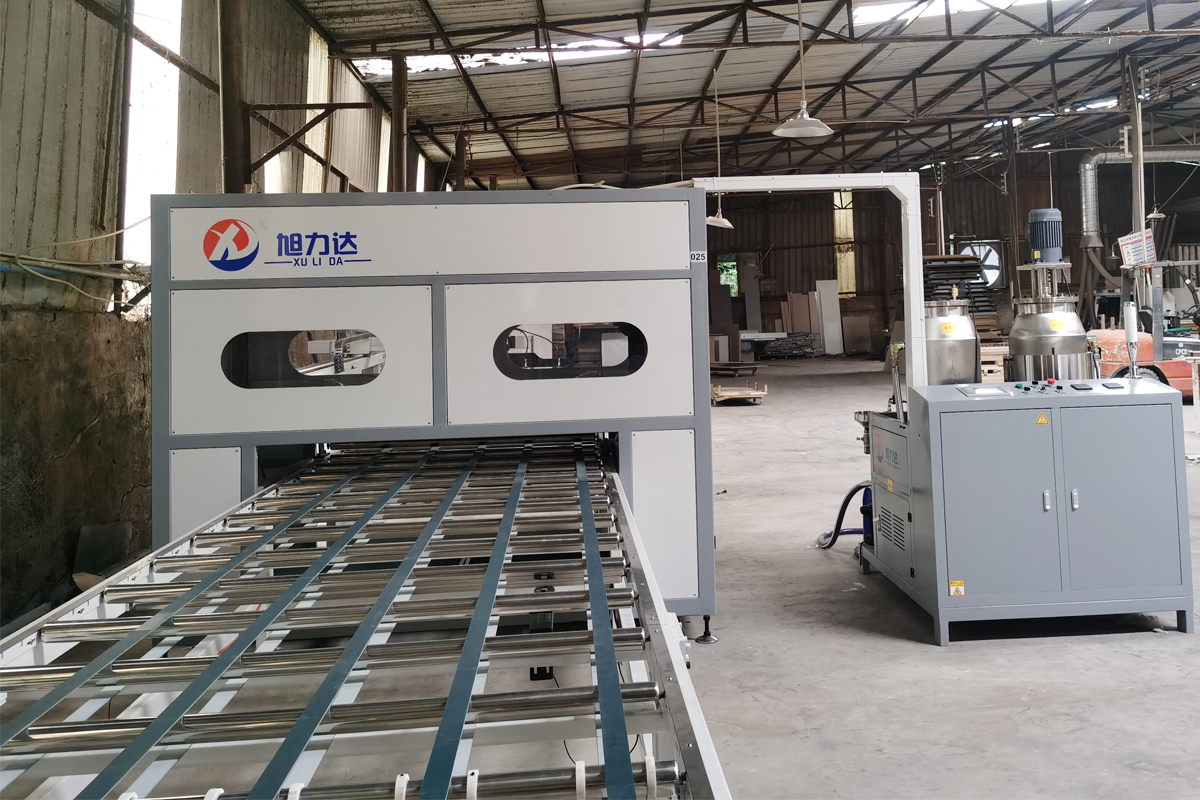 Future Trends in Panel Lamination Equipment
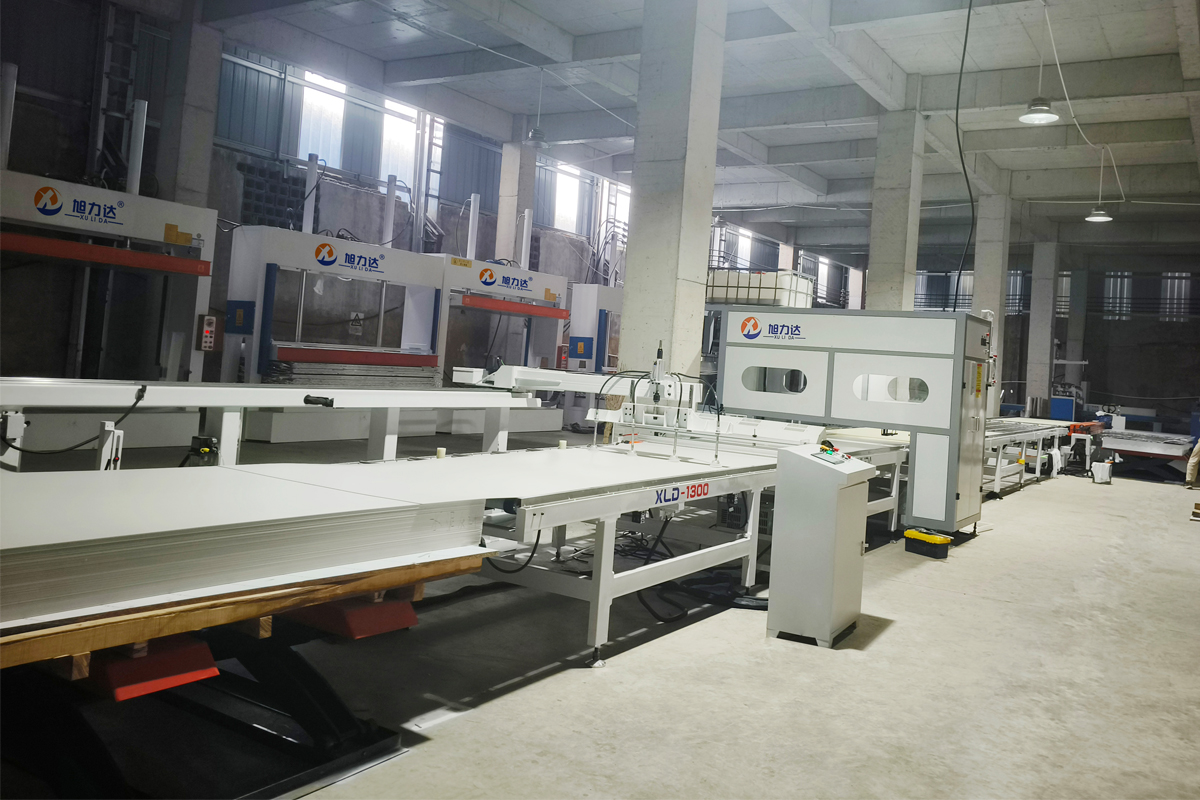 Iterative advancements in adhesive application technology an
 Roundup of Major News in the Sheet Composite Equipment Indus
Technology Upgrading Accelerates, Green Smart Manufacturing
Roundup of Major News in the Sheet Composite Equipment Indus
Technology Upgrading Accelerates, Green Smart Manufacturing