 简体中文
简体中文

Why are more and more people choosing fully automatic gluing and laminating production lines?
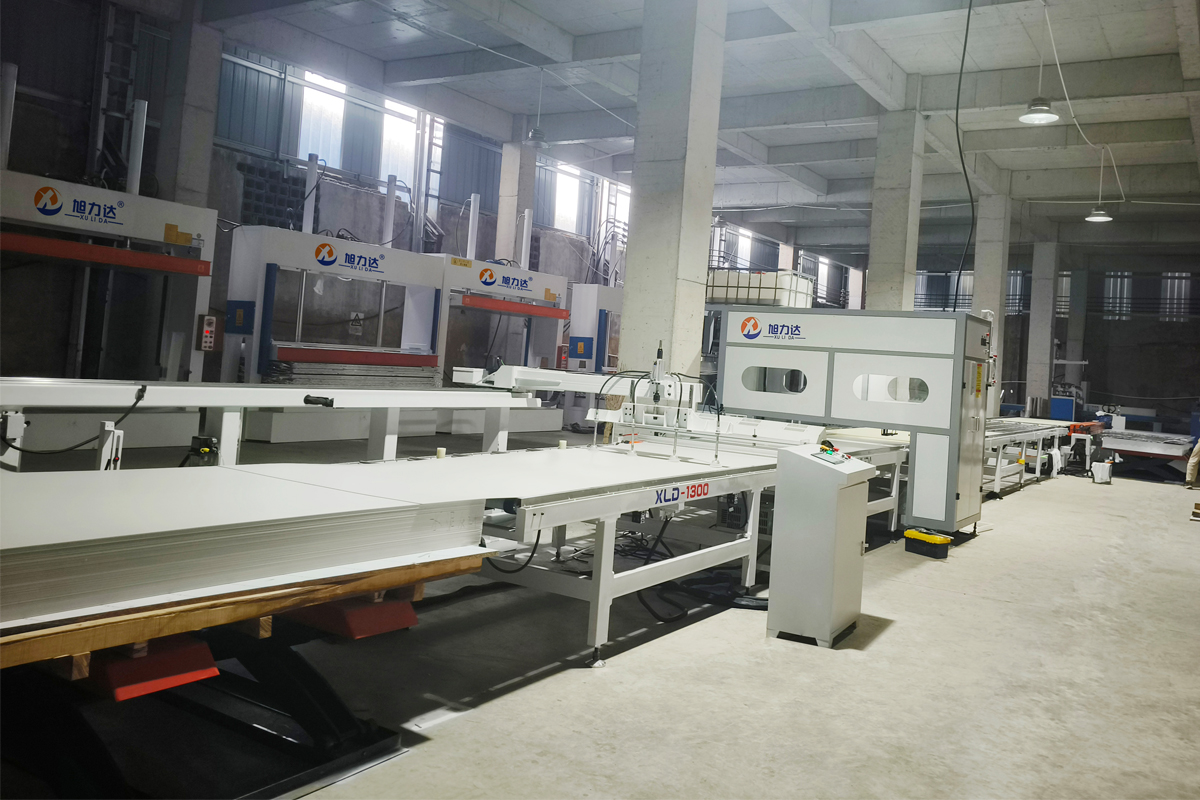
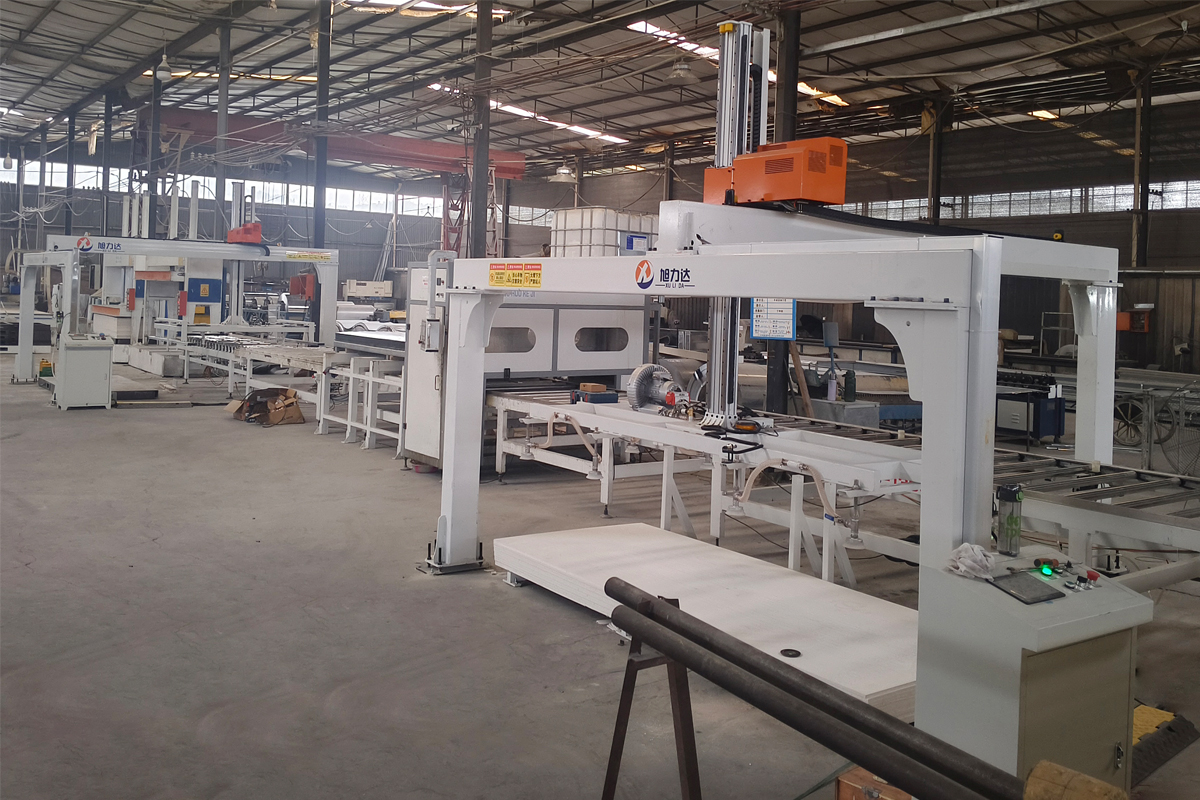
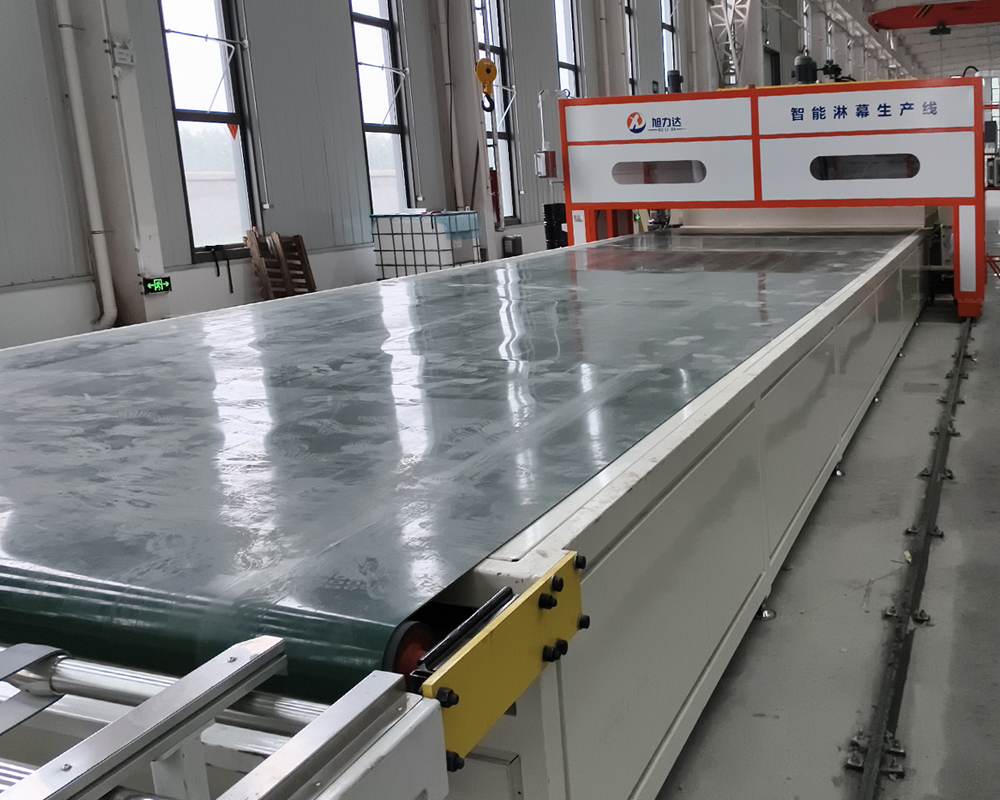
The "fully automatic gluing and laminating production line" is actually an advanced version of a single gluing machine. It is preferred because it connects multiple processes—loading, gluing, unloading, laminating, etc.—into a complete, automated assembly line. Its core advantage lies in systematic integration.
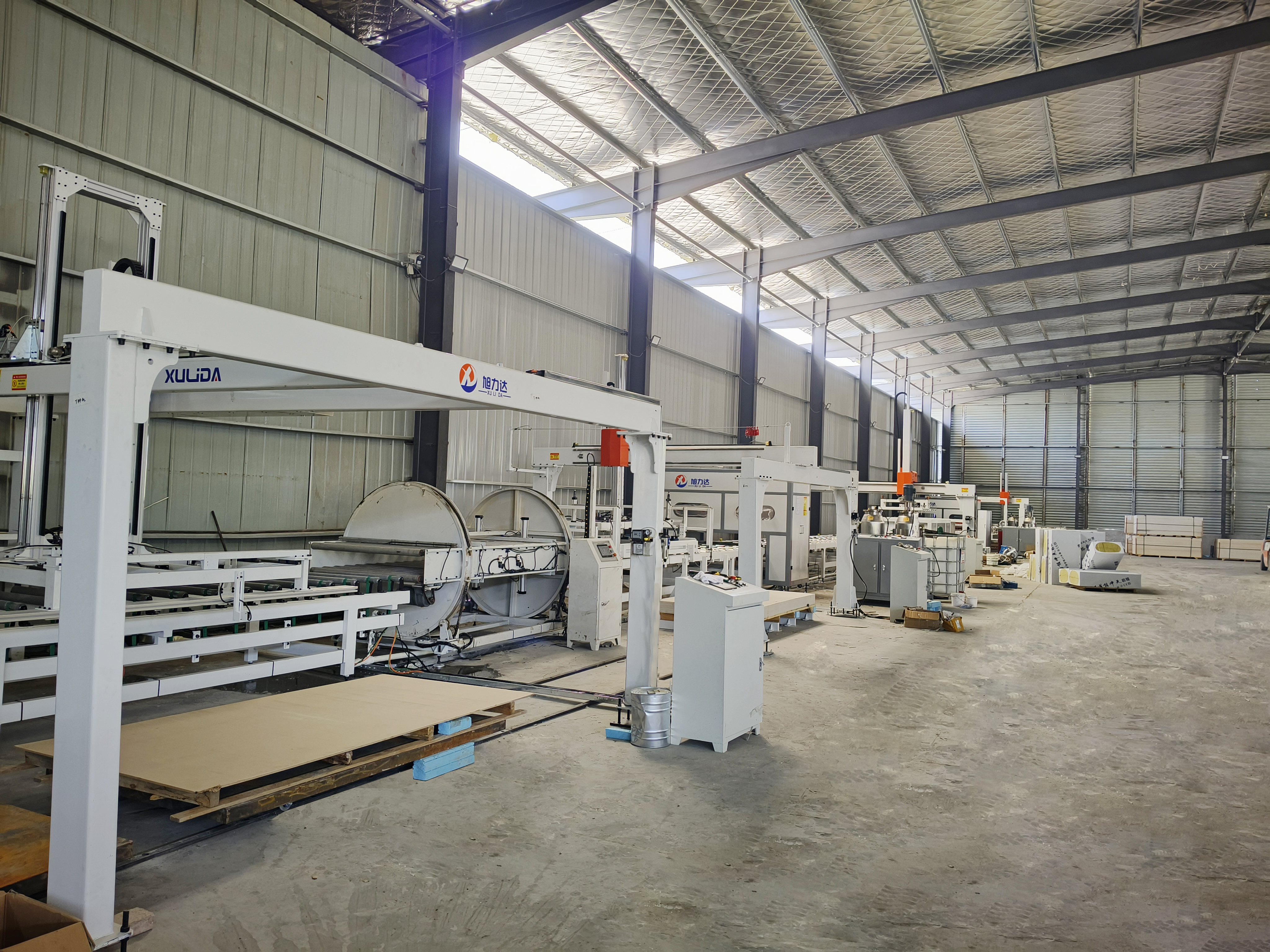
Compared to a single machine, its advantages are mainly reflected in:
· Seamless connection, multiplying efficiency: A single machine requires manual loading and unloading, whereas the production line achieves automatic docking through loaders and unloaders, eliminating waiting and transportation time. It can process tens of meters of material per minute, making it ideal for high-volume production.
· Integrated control, closed-loop quality: The production line coordinates all processes through a central system. For example, when the composite material drifts, sensors immediately adjust both the gluing head and laminating roller simultaneously for real-time correction, which is far more precise than the "post-inspection" approach of a single machine.
· Labor savings, especially eliminating "material handlers": A single machine may still require 1–2 people for material handling. In contrast, a complete production line—from raw material feeding to finished product packaging—needs only 2–3 people to monitor the equipment, almost completely replacing heavy physical labor.
· Significant energy and material savings: The production line can utilize the residual heat from the glued panels to directly feed into the drying process, saving more energy than the single-machine approach of "cooling then reheating." Meanwhile, centralized supply of glue, films, and other materials reduces scattered losses.
· Data-driven, intelligent management: The production line can automatically collect data on output, glue consumption, energy usage, etc. Managers can remotely check the glue cost per square meter, receive equipment fault alerts, and access data to support lean manufacturing.
· High factory space utilization: Production lines typically adopt compact layouts such as three-dimensional or U-shaped designs. Although the total equipment length may be greater, the output per unit area is much higher than that of multiple single machines.
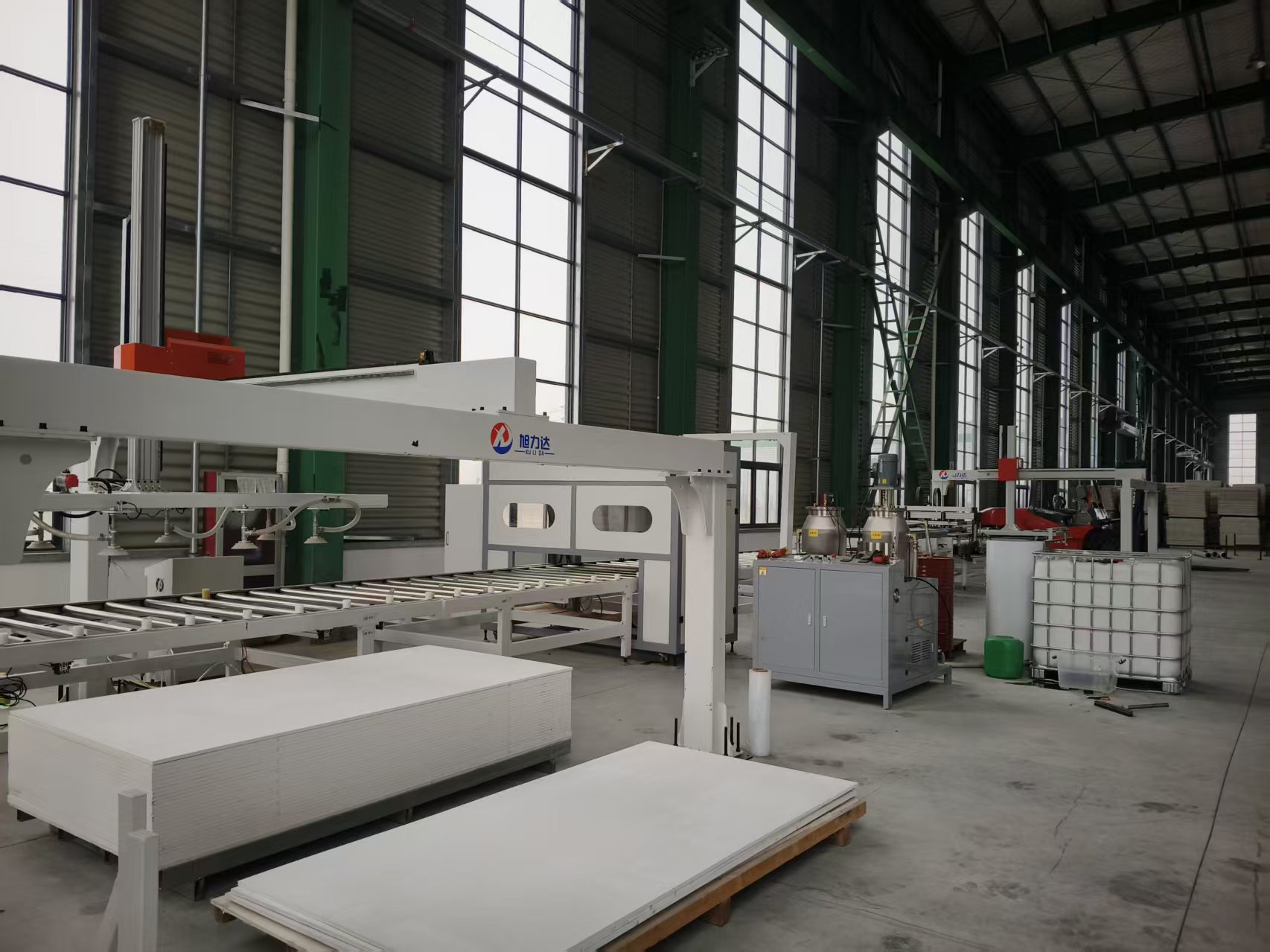
In simple terms, choosing a single gluing machine means "automating one process," while choosing a production line means "achieving a fully unmanned workshop."
If your product process is stable and order volumes are large, directly investing in a production line is a more economical and efficient long-term choice. However, if products change frequently and batch sizes are small, a single machine or semi-automatic line offers greater flexibility.
 Iterative advancements in adhesive application technology an
 Roundup of Major News in the Sheet Composite Equipment Indus
Technology Upgrading Accelerates, Green Smart Manufacturing
Roundup of Major News in the Sheet Composite Equipment Indus
Technology Upgrading Accelerates, Green Smart Manufacturing
 What is a curtain coating machine?