 简体中文
简体中文

Technology Upgrading Accelerates, Green Smart Manufacturing Empowers: The 2026 Panel Composite Equipment Industry Embarks on a High-End Upgrade Journey
In recent years, driven by the deepening development of my country's intelligent manufacturing industry, the continued implementation of "dual carbon" policies, and the rapid rise of downstream sectors—such as new energy, high-end home furnishings, aerospace, and novel building materials—the panel composite equipment industry has entered a new cycle of transformation and upgrading. As core equipment for composite material production, these systems handle critical processes including bonding, compression molding, and curing; their levels of intelligence, energy efficiency, and precision directly determine the quality, production efficiency, and environmental sustainability of the composite panels produced. By 2026, leveraging technological breakthroughs, process optimization, and improved standards, the industry will have fully moved away from traditional, extensive production models to enter a new phase characterized by high-end, intelligent, and green development, featuring steady market expansion and a continuously optimized industrial landscape.
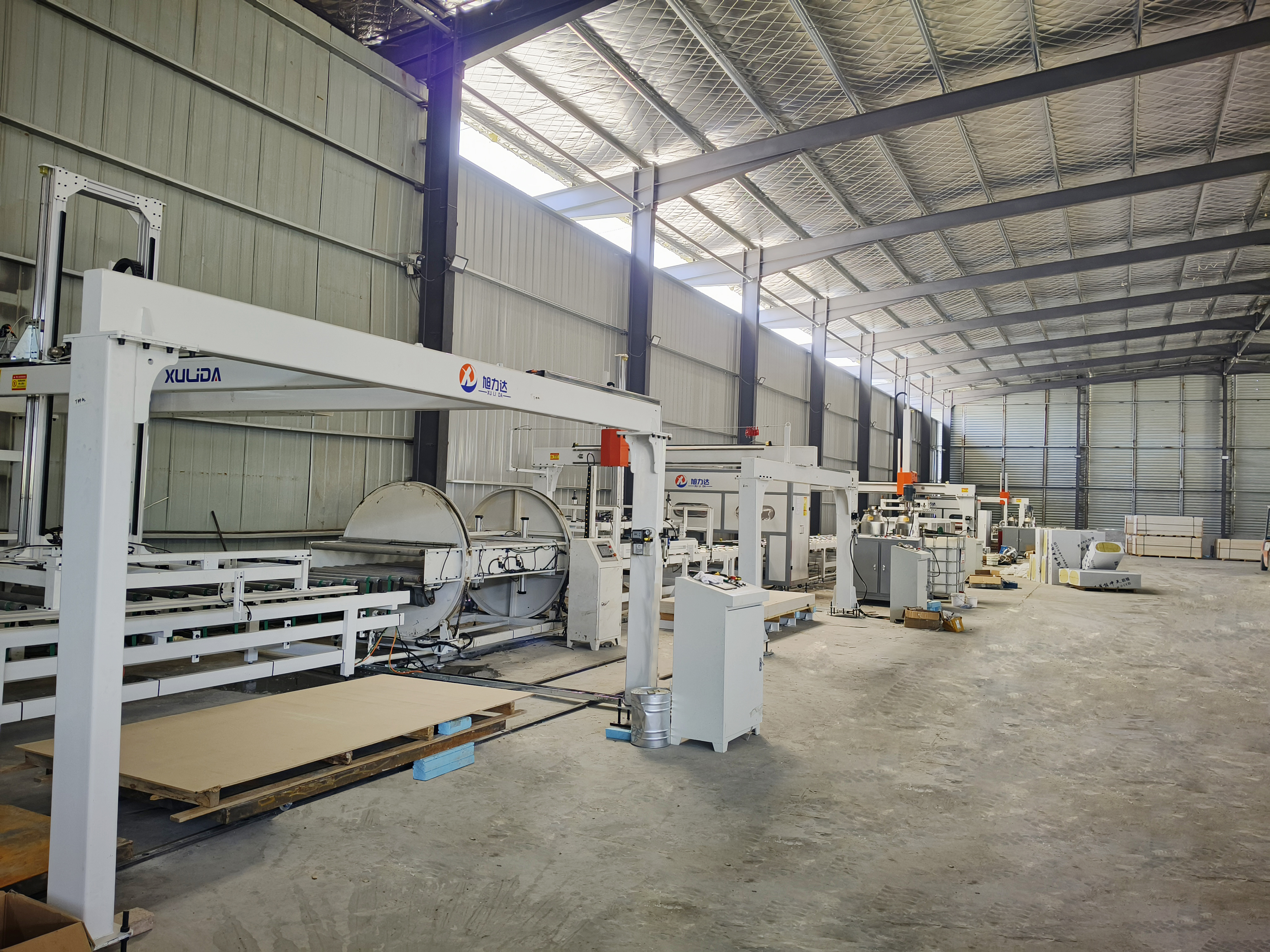
From a market fundamentals perspective, the domestic panel composite equipment industry maintains steady growth, with market demand continuing to rise. Industry data indicates that the market size for wood-based panel equipment in China reached 8.64 billion yuan in 2025, and the industry is projected to grow at a steady compound annual rate of 6.2% in 2026, demonstrating continued resilience. Current market demand shows distinct structural differentiation: the need for equipment upgrades and retrofitting for traditional plywood and blockboard production lines accounts for 51% of the total market, serving as the backbone of the existing market; meanwhile, new projects for high-end, innovative panels—such as Oriented Strand Board (OSB), bamboo-based composites, and metal composite panels—are driving incremental demand for high-end equipment, pushing the industry's product mix toward higher value-added and high-tech offerings. Simultaneously, explosive growth in emerging sectors—including lightweight materials for new energy vehicles, layered composite panels for aerospace, and eco-friendly panels for high-end home interiors—has opened up new growth avenues for the panel composite equipment industry, continuously expanding its development potential.
Technological innovation serves as the core driving force behind the industry's upgrade in 2026, with the large-scale application of various new composite processes and intelligent equipment effectively overcoming the technical bottlenecks associated with traditional machinery. Traditional panel lamination equipment suffers from common pain points—such as insufficient lamination precision, high energy consumption, susceptibility to panel deformation, poor bonding stability, and heavy reliance on manual labor—making it difficult to meet the production standards for high-end panels. Addressing these industry challenges, leading domestic equipment manufacturers have continuously increased R&D investment; by 2025, the industry's overall R&D intensity reached 5.7%, with independent breakthroughs achieved in multiple core technologies, driving a comprehensive upgrade in equipment performance.
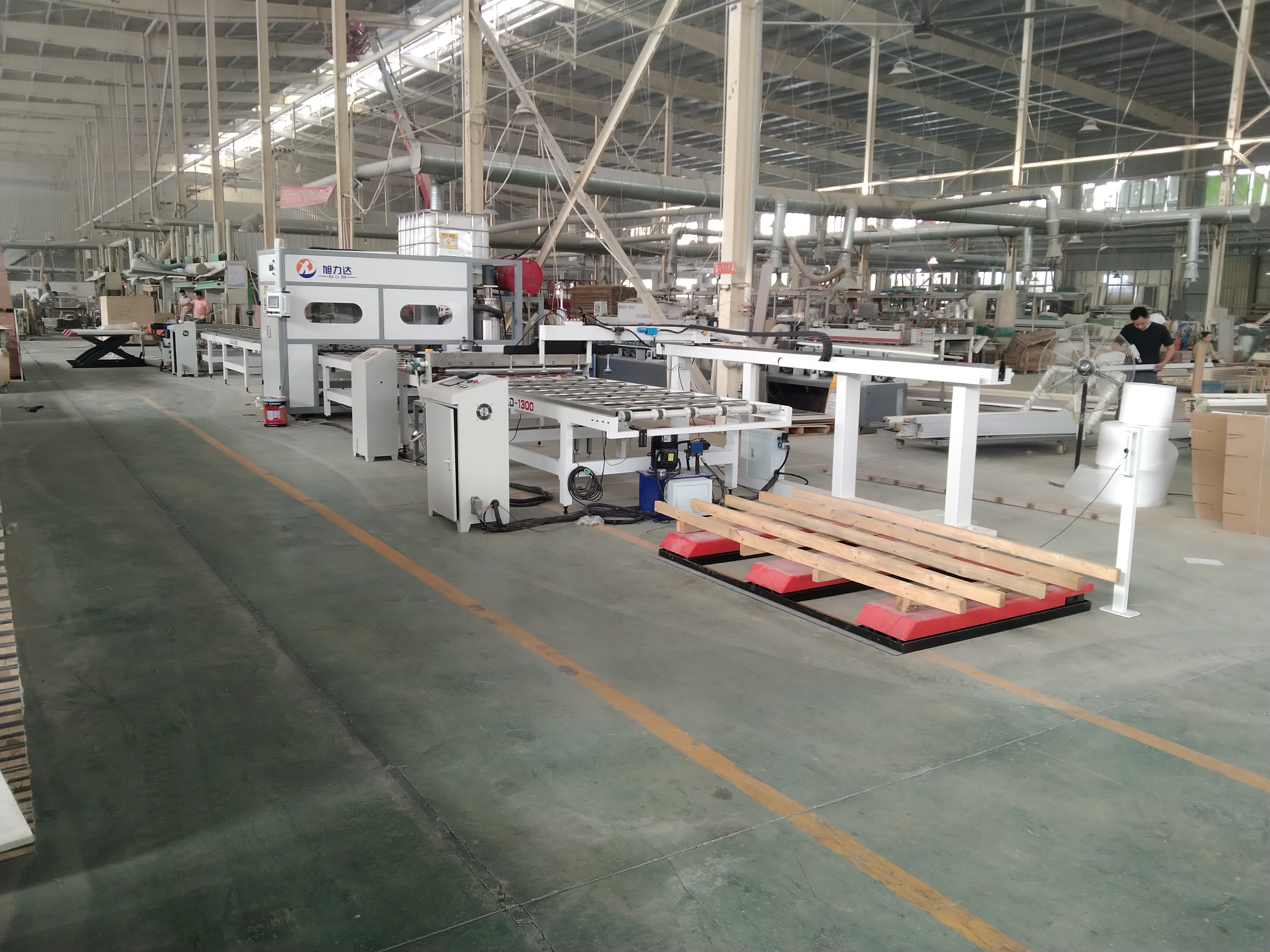
Currently, continuous integrated lamination equipment has become the mainstream direction for market upgrades. Represented by double-belt flatbed laminators and PUR hot-melt adhesive laminators, this new generation of intelligent equipment innovatively employs a "heating-pressing-cooling" continuous lamination process. It integrates a fully closed-loop production workflow—encompassing automatic feeding, intelligent adhesive application, precision lamination, constant-temperature curing, cooling and setting, and fixed-length cutting—to achieve fully automated, unmanned, and continuous panel lamination. Utilizing intelligent sensor systems to monitor key metrics such as bonding status, curing degree, and thickness precision in real-time, these machines significantly improve lamination uniformity and panel flatness. They effectively resolve quality issues common in traditional production—such as delamination, deformation, and uneven thickness—raising the product yield rate to over 99%. Furthermore, the implementation of digital twin technology enables intelligent, full-lifecycle operation and maintenance of the lamination lines, effectively reducing unplanned equipment downtime by 23.6% and substantially boosting operational efficiency.
Innovation is flourishing across various specialized technical fields. In the realm of metal lamination, cutting-edge processes such as explosive bonding and laser-arc hybrid welding are gradually achieving industrial application. These technologies break through the material combination and dimensional limitations of traditional metal panel lamination, meeting the production demands for high-end layered metal composite panels—such as titanium-steel and nickel-copper—and finding wide application in high-end equipment, new energy systems, and chemical anti-corrosion sectors. A novel laser-assisted vacuum hot-rolling lamination process has entered the final stages of pilot testing; mass production of high-end composite panels made from nickel-based superalloys and copper alloys is expected to commence in 2026, filling a critical gap in domestic high-end metal lamination equipment technology. In the home furnishing and building materials sector, energy-efficient hot-melt lamination equipment is comprehensively replacing traditional solvent-based adhesive systems; the eco-friendly, solvent-free bonding process completely eliminates residues of harmful substances such as formaldehyde and benzene, aligning with the consumer trend toward green and environmentally friendly home products.
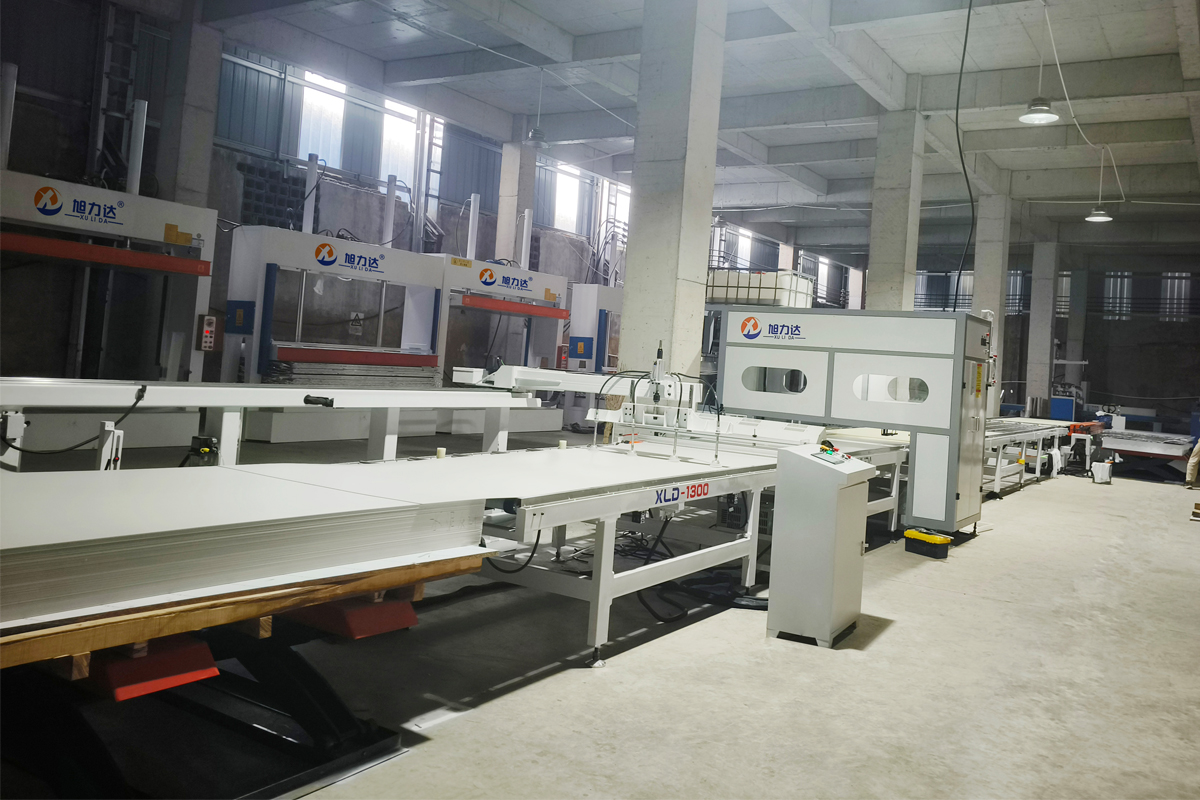 Technology Upgrading Accelerates, Green Smart Manufacturing
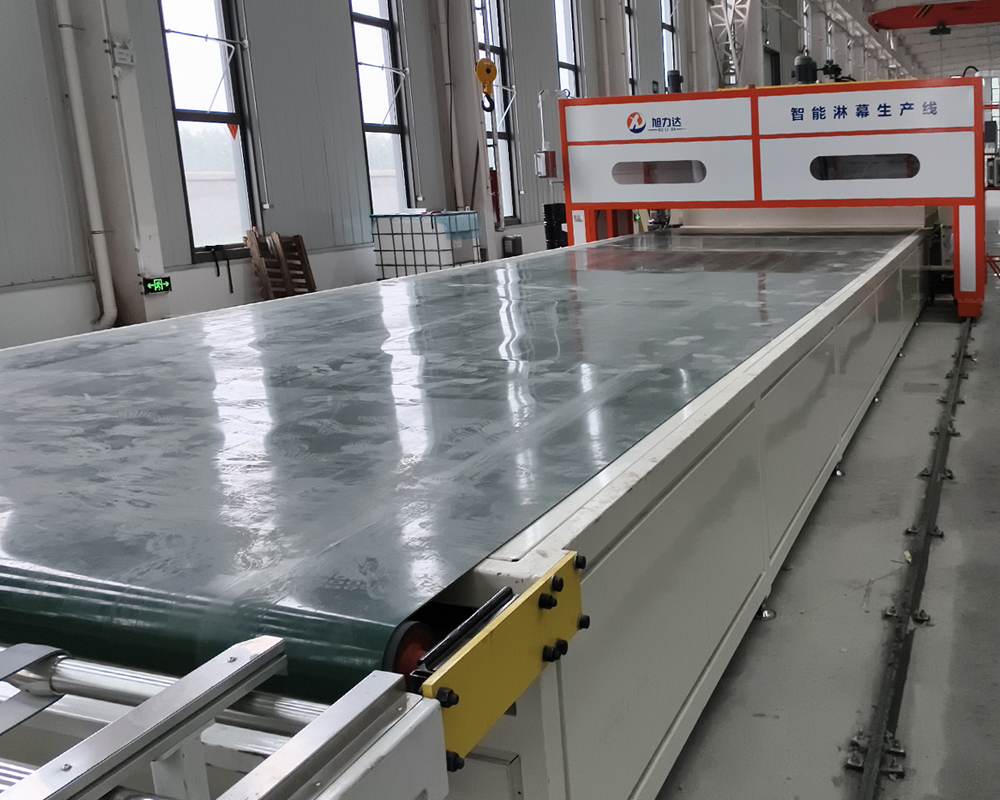 What is a curtain coating machine?
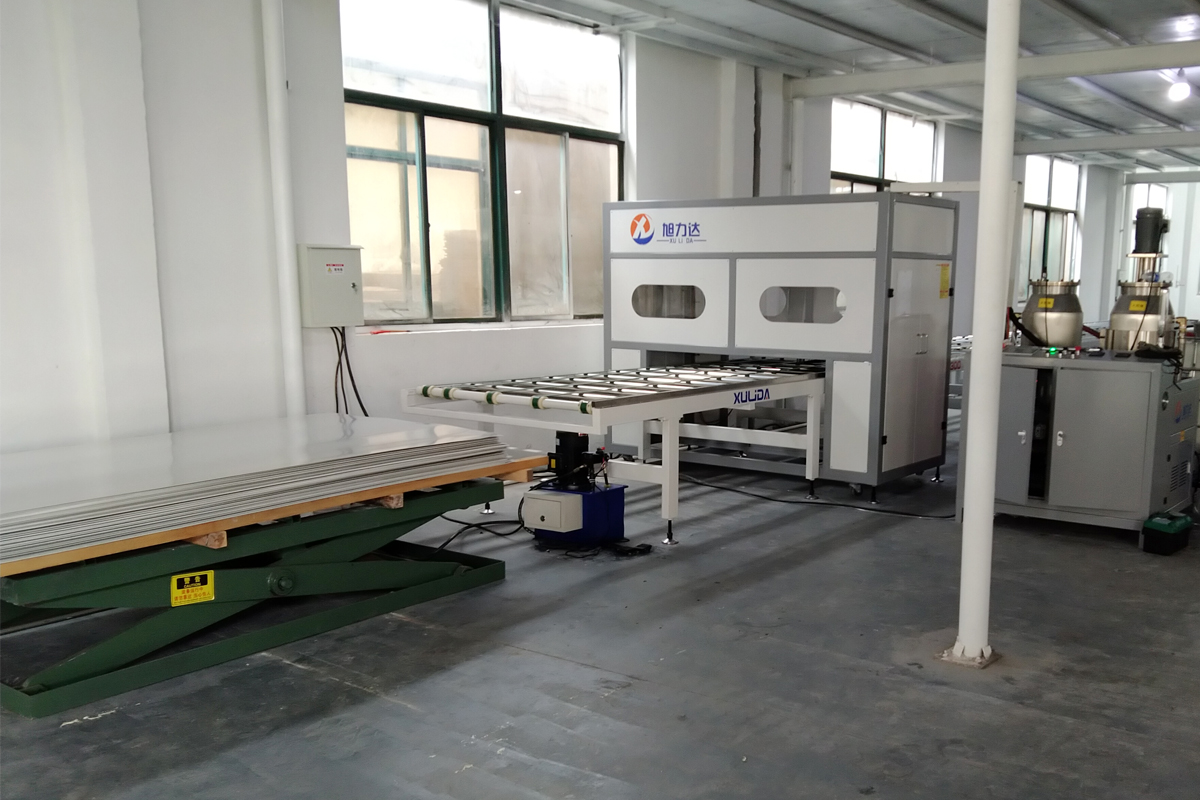 For which industries is the fully automatic glue-pouring mac
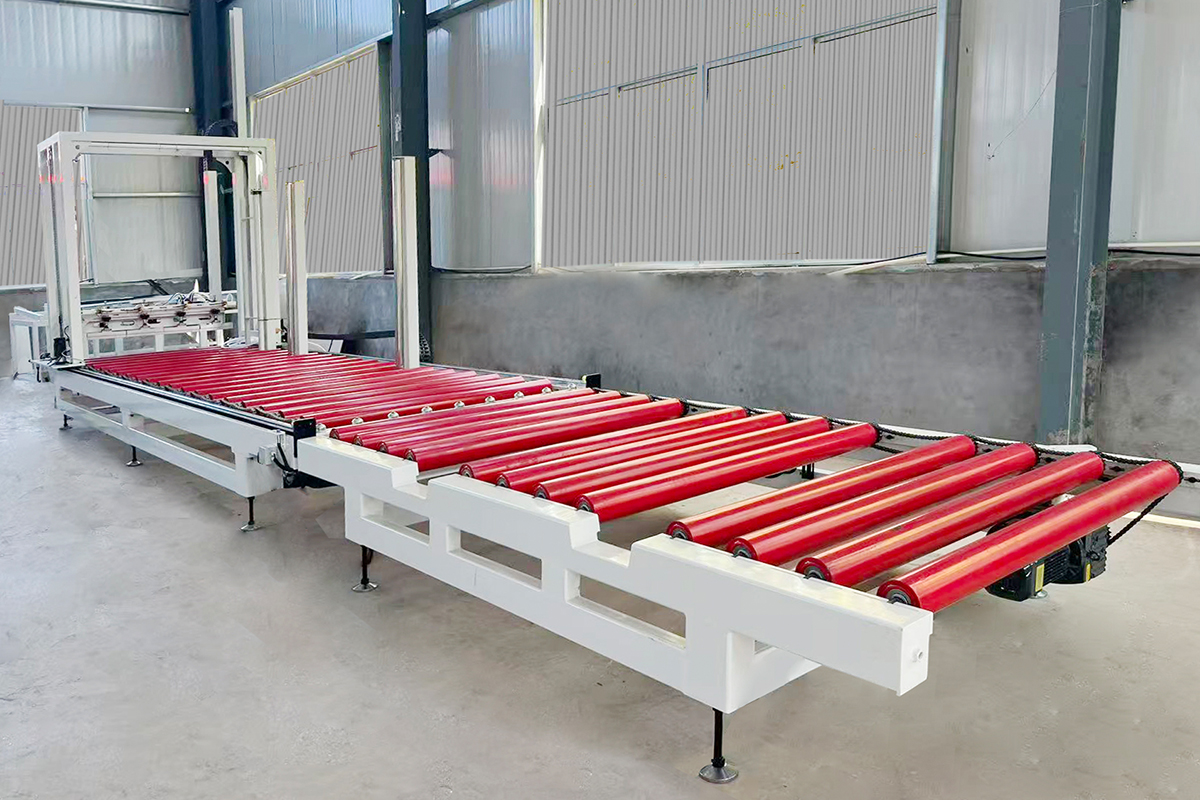 Comprehensive Overview of Adhesive Lamination Equipment (Pro