 简体中文
简体中文

Roundup of Major News in the Sheet Composite Equipment Industry for 2026
I. Macro-Industry Data and Overall Market Trends
Steady Growth in Market Size
The domestic market for complete sets of composite equipment for wood-based panels is projected to grow by 6.2% year-on-year in 2026, surpassing a total value of RMB 9.1 billion. Demand for the intelligent retrofitting of aging production lines for plywood and blockboard accounts for 51% of total procurement volume, while procurement of new production lines for OSB (Oriented Strand Board), bamboo-based composite panels, and aluminum honeycomb panels has risen by 22% year-on-year.
demand has shifted decisively from standalone machinery focused on raw capacity to integrated solutions featuring intelligent complete lines, energy efficiency, environmental compliance, and data traceability. Leading home furnishing enterprises prioritize modular, flexible production lines that interface with MES (Manufacturing Execution Systems), accounting for 28% of total procurement; meanwhile, small and medium-sized panel factories primarily opt for cost-effective, standardized domestic standalone machines, representing 57% of the market.
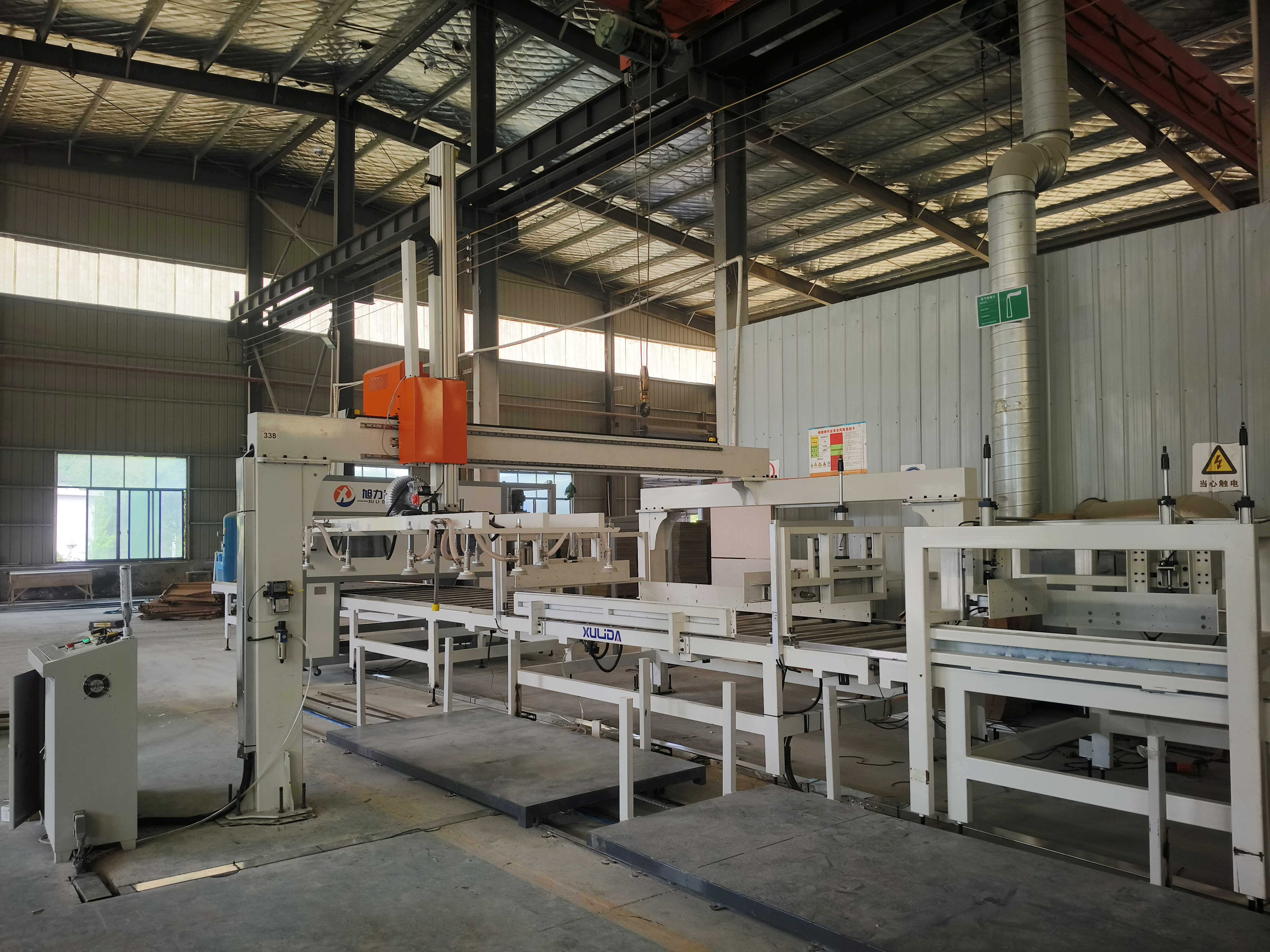
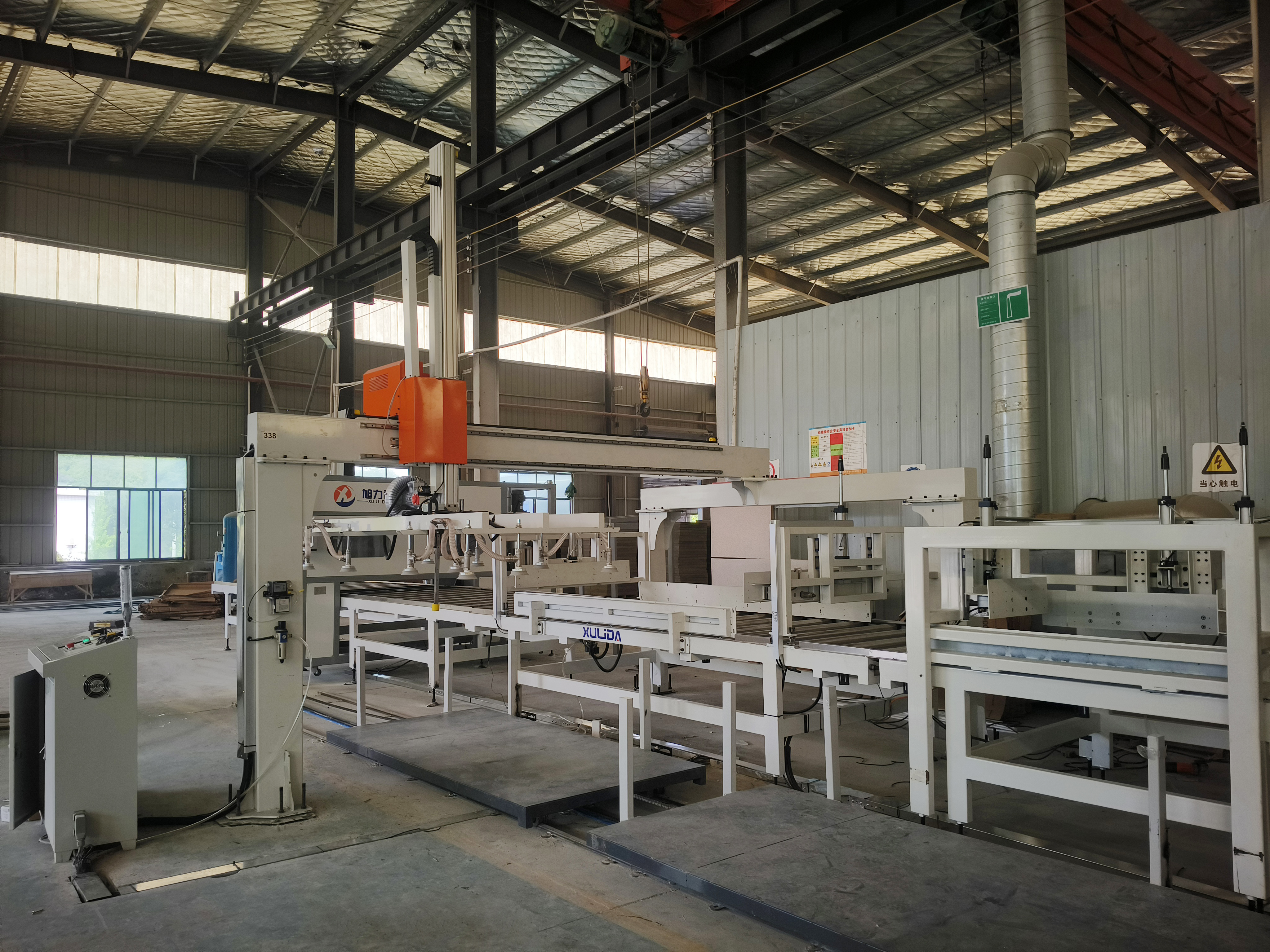
Divergence in Downstream Application Structure
Domestic production capacity for aluminum honeycomb panels exceeded 120 million square meters for the year, an 18% year-on-year increase. Core demand is driven by four key sectors—curtain wall projects (32%), marine interiors (17%), prefabricated interiors (22%), and exports (21%)—directly fueling a surge in orders for specialized adhesive-coating machines and continuous hot-press composite equipment for these panels. Production lines for cold-chain insulation polyurethane composite panels and insulation boards for prefabricated buildings have benefited from new regulations on building energy efficiency, with equipment orders rising 27% year-on-year in the first half of the year.
II. Implementation of Major Industry Standards (Directly Influencing Equipment Selection)
1. Official Implementation of the "Quality Grading for Aluminum Honeycomb Panels" Group Standard (July 3)
For the first time, the industry has established a "3A-5A" grading and assessment system. This system mandates strict specifications for panel thickness, honeycomb core structure, hot-press bonding strength, deformation resistance, and environmental indicators, effectively eliminating the practice of cutting corners through non-standard production.
Driving Upgrades in Composite Equipment: Precise control of hot-press pressure and temperature, along with high-precision quantitative adhesive-coating systems, have become standard features. Traditional, rudimentary cold-press and manual lamination equipment are being phased out. Requirements now mandate traceable process data output and real-time, in-line monitoring of bonding strength throughout the production process. III. Key Technology Trends in the Industry for 2026
1. Intelligentization: Widespread adoption of AI visual inspection and IoT-based remote O&M
Machine vision has become standard on high-end lamination lines, automatically detecting defects such as adhesive application gaps, board blistering, and lamination misalignment, with a defect recognition rate reaching 89%. Equipment from mainstream brands features remote diagnostics and cloud-based parameter storage, enabling remote adjustment of hot-pressing curves and adhesive application parameters; 63% of board manufacturing plants now mandate equipment data traceability as a strict procurement requirement.
Digital twin simulation optimizes hot-pressing temperature zones, keeping multi-point temperature deviations within ±0.8°C and reducing the comprehensive energy consumption per board by 23.5%.
2. Green and Low-Carbon: Formaldehyde-free lamination and energy efficiency become standard
The application of cold-pressing processes for ENF-grade formaldehyde-free boards continues to expand, driving up demand for low-energy cold-pressing lamination equipment.
Waste heat recovery, adhesive recovery, and variable-frequency energy-saving hydraulic systems have become standard configurations for new equipment; environmental regulations and power-rationing policies in various regions are accelerating the phase-out of outdated, high-energy-consuming intermittent hot presses.
3. Specialization of equipment for niche market segments
1) Aluminum-wood doors and all-aluminum home furnishings: Adhesive-free high-temperature hot-melt lamination lines are gradually replacing traditional adhesive-application methods, achieving zero-formaldehyde eco-friendliness and significantly reducing rework rates caused by door leaf deformation.
2) Novel eco-friendly bamboo-based and straw-based boards: Sales volume of customized low-pressure, low-temperature hot-pressing equipment is surging.
3) Cold-chain polyurethane insulation boards: Orders for integrated continuous foaming and lamination production lines continue to rise.
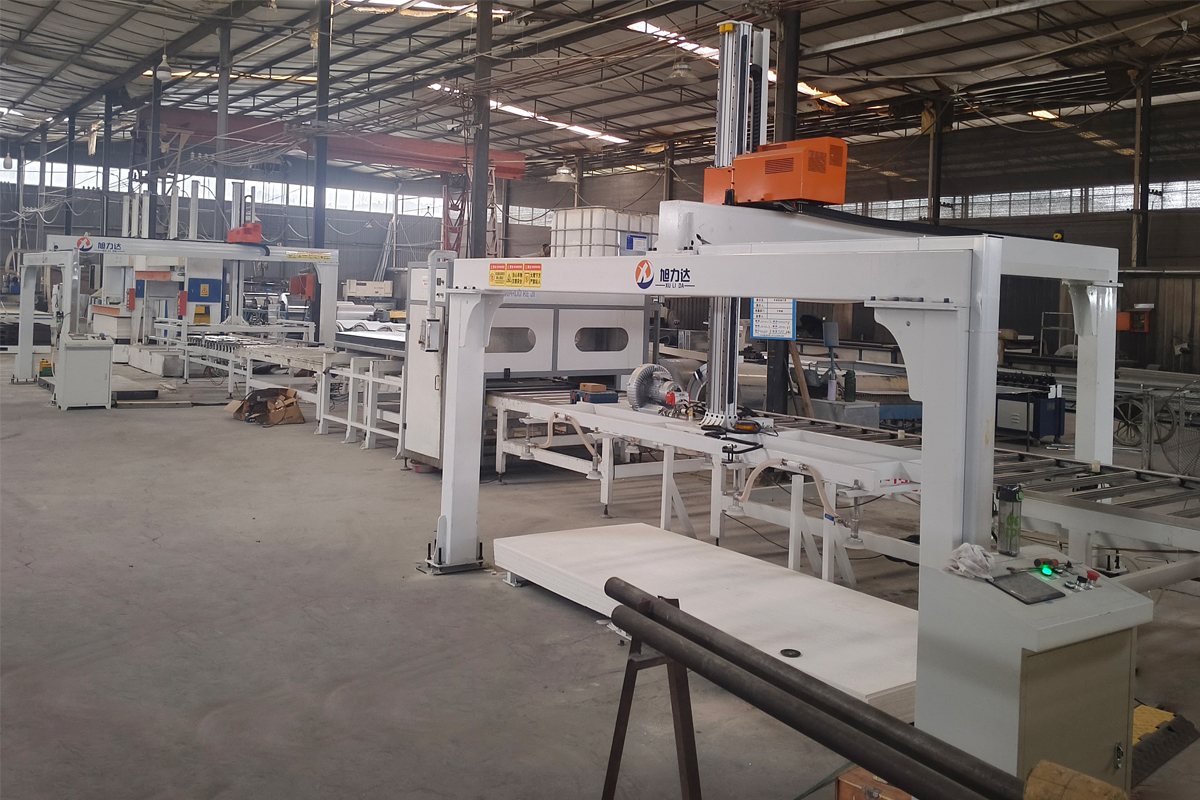
4. Accelerated import substitution of high-end domestic equipment
Domestic leading brands have achieved a self-development rate exceeding 70% for core components such as electronic control systems, servo systems, and machine frames. Localization of precision parts—including high-precision web guiding systems and high-temperature-resistant rubber rollers—continues to advance; the domestic market share for high-end, high-speed lamination equipment has risen to 38%, gradually capturing market share from Japanese, South Korean, and European imports. IV. Industry Outlook for the Second Half of the Year
The third quarter marks the peak season for orders of aluminum honeycomb panels and decorative panels for whole-house customization, resulting in tight delivery schedules for adhesive coating machines and continuous hot-press lamination equipment.
Driven by stricter environmental regulations and dual controls on energy consumption, small and medium-sized panel manufacturers in East and South China are intensively upgrading aging lamination equipment for energy efficiency.
The equipment business model is shifting from simple machinery sales to bundled service packages—comprising complete production line solutions, on-site commissioning, and lifelong operation and maintenance—while the competitiveness of standalone, low-priced equipment continues to decline.
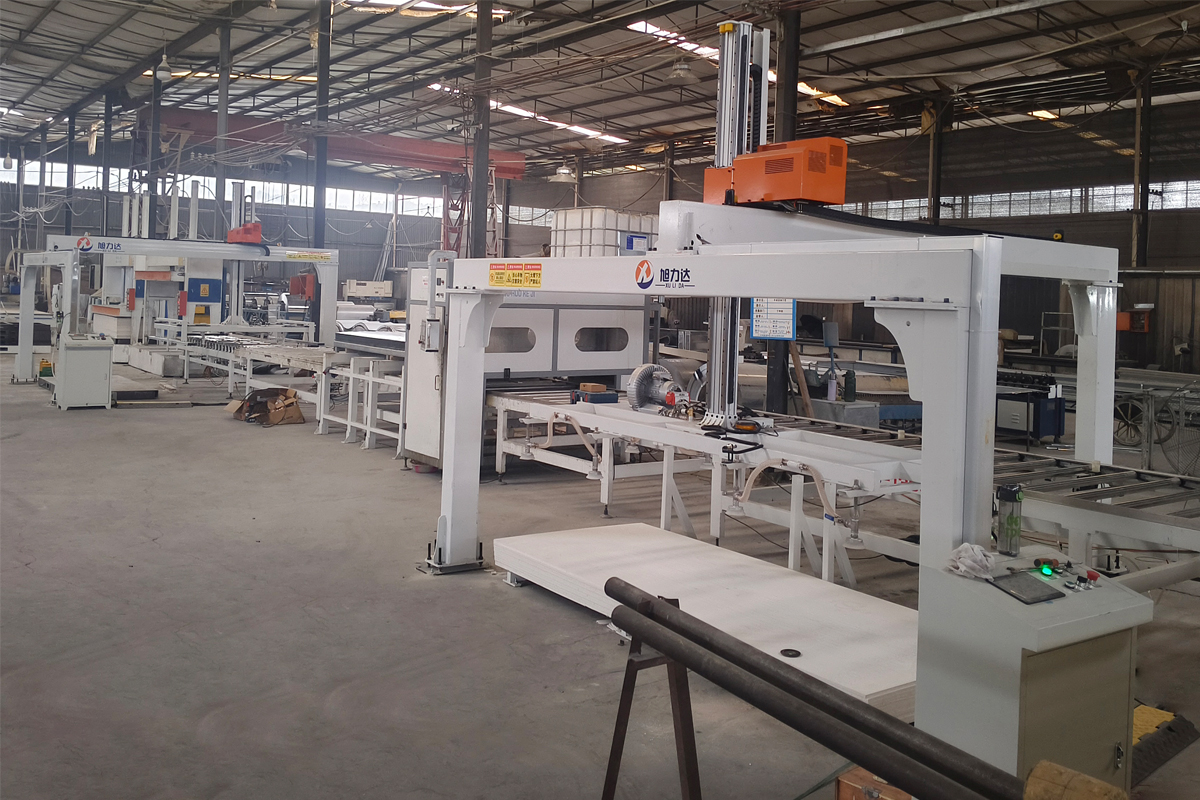 Roundup of Major News in the Sheet Composite Equipment Indus
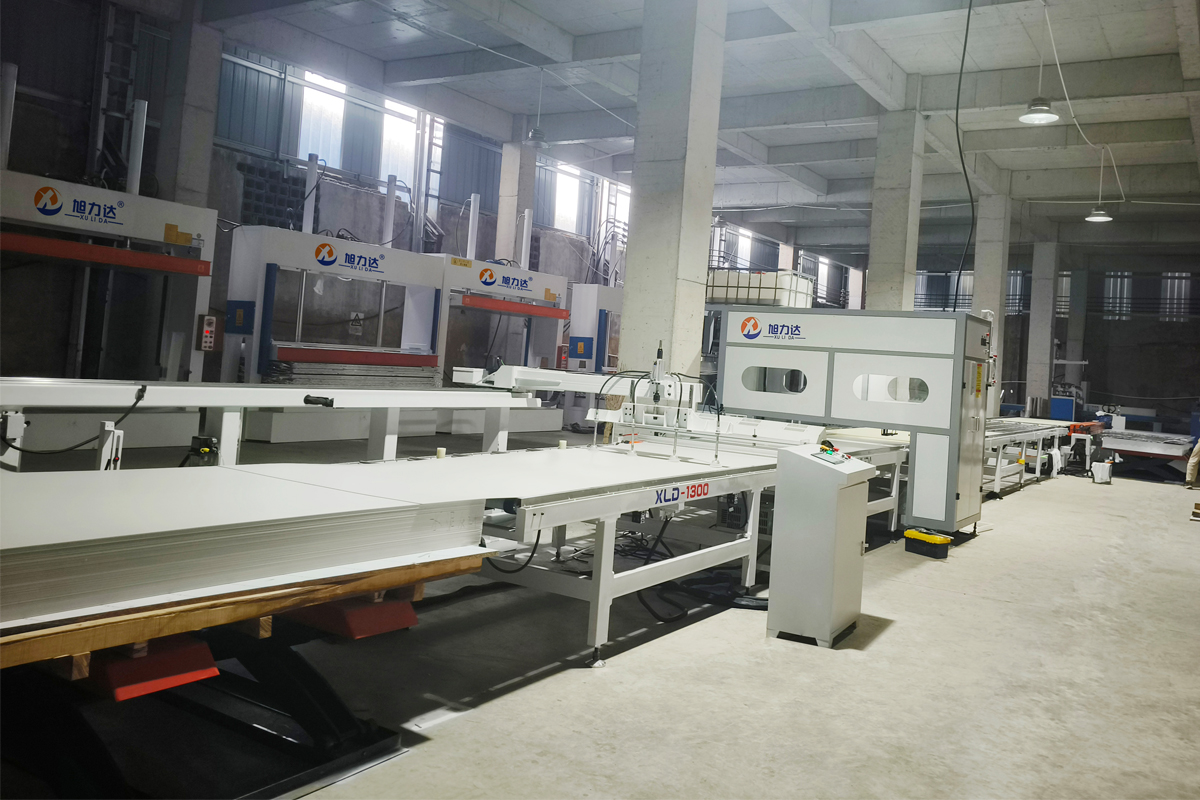 Technology Upgrading Accelerates, Green Smart Manufacturing
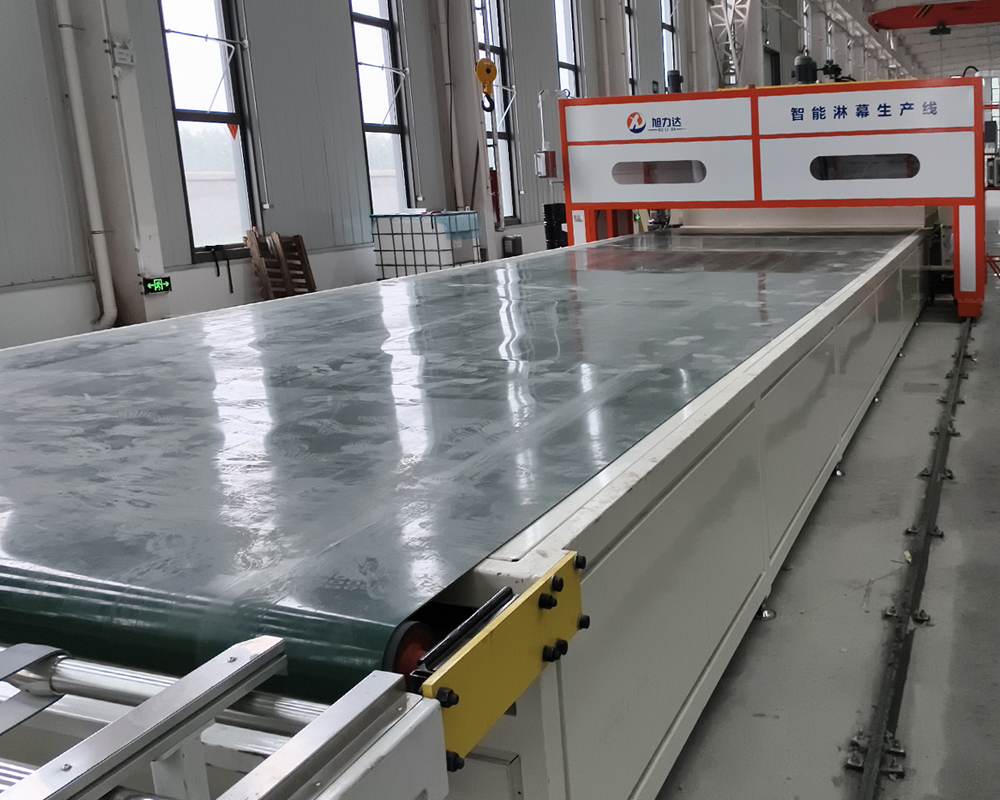 What is a curtain coating machine?
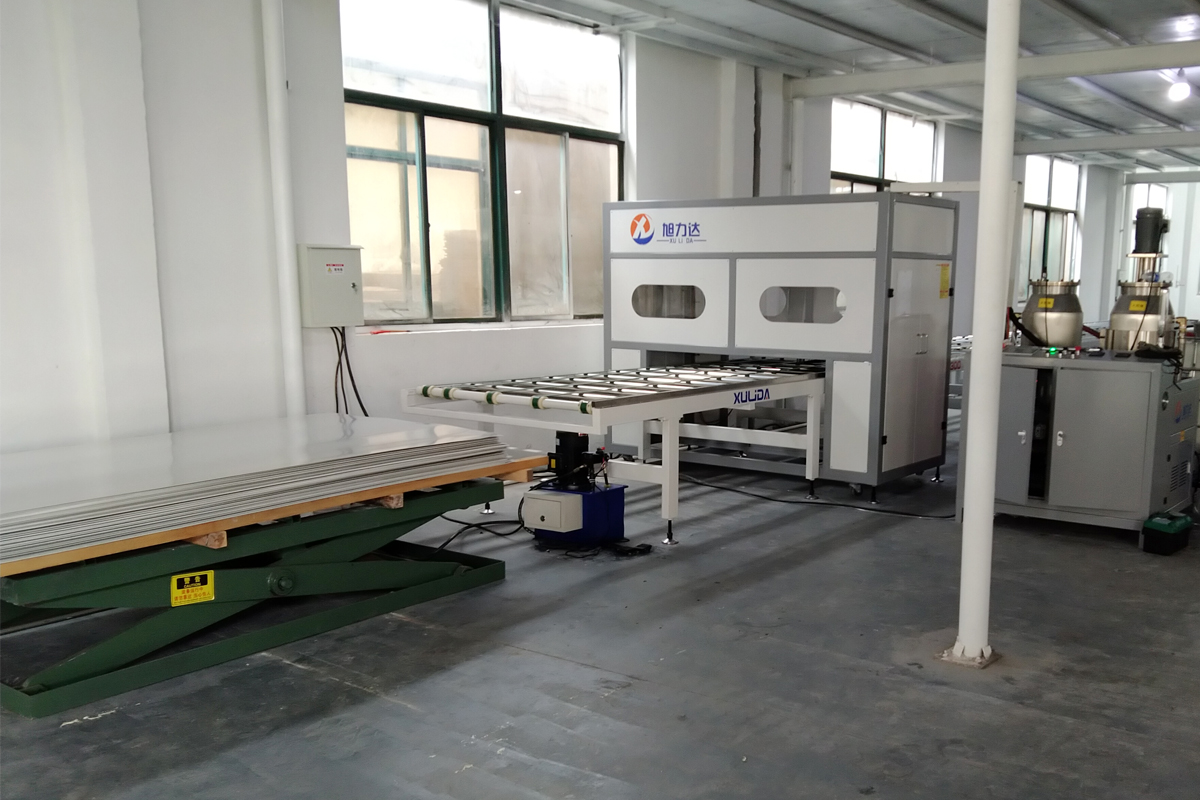 For which industries is the fully automatic glue-pouring mac