 简体中文
简体中文

Iterative advancements in adhesive application technology and the continued adoption of multi-station integrated production line solutions.
I. Industry Trends and Developments
1. Composite panel equipment is increasingly shifting toward fully integrated production lines, with the share of standalone machine purchases steadily declining. More panel factories are prioritizing comprehensive automation solutions—combining adhesive application, pressing, panel flipping, and automatic stacking—while reduced labor requirements and parameter traceability have become key advantages in project tenders. There is growing interest in multi-station cantilever adhesive applicators; solutions featuring a 180-degree rotating arm and multiple vacuum platforms have been adopted by numerous manufacturers of insulation panels and SIPs (Structural Insulated Panels) for technical upgrades, effectively addressing issues such as idle waiting times at single stations and low equipment utilization.
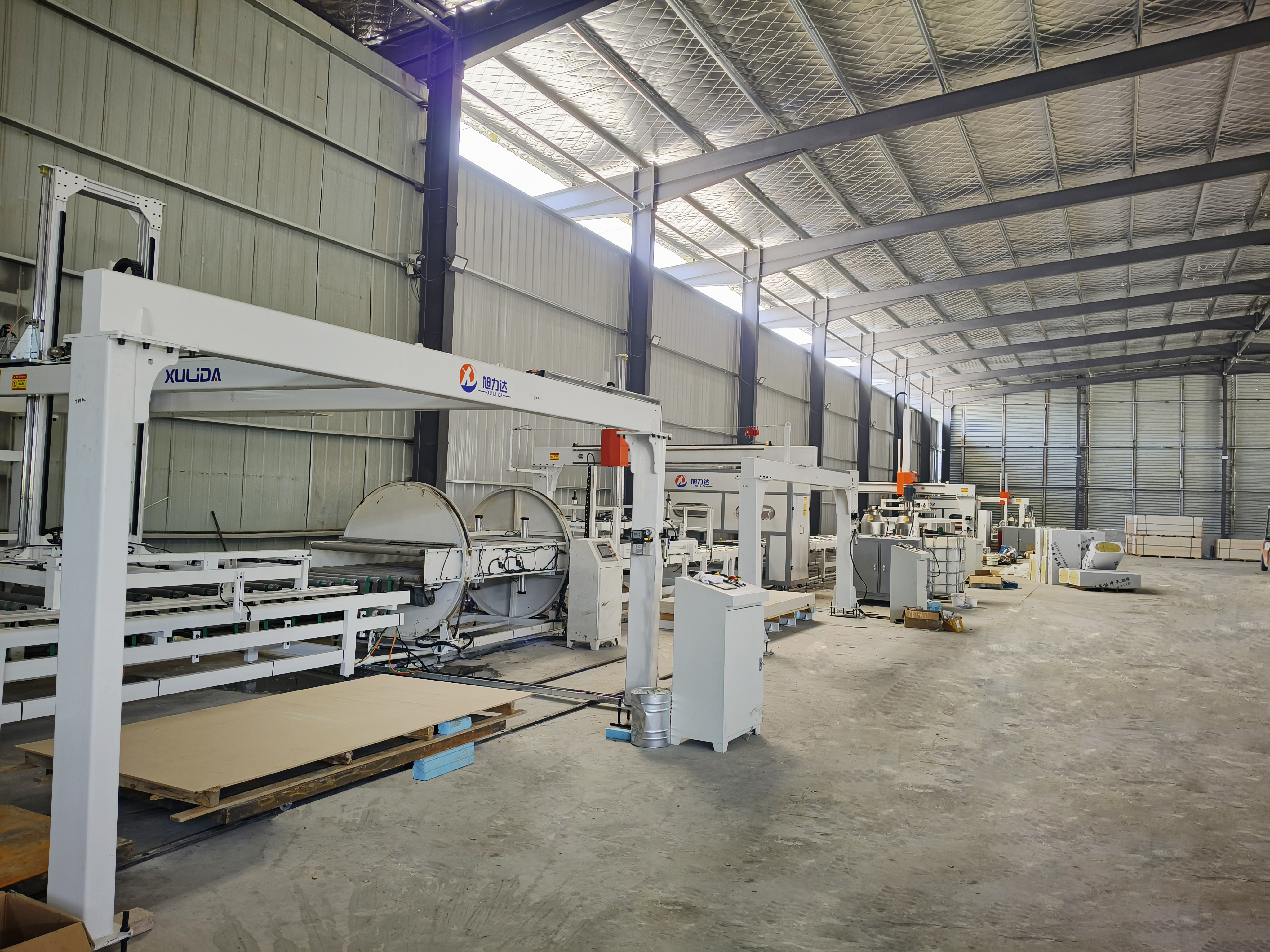
2. Downstream demand is diverging significantly: Cleanroom projects in the pharmaceutical and semiconductor sectors are driving capacity expansion for manual-assembly cleanroom panels, raising the bar for adhesive path cleanliness and dispensing stability. Meanwhile, manufacturers of vehicle body panels and integrated exterior wall insulation panels are focusing on two-component adhesive supply systems to strictly control mixing ratios and minimize defects like voids and delamination. As environmental regulations tighten, compatibility with low-VOC adhesives has become a critical performance metric, prompting equipment manufacturers to accelerate the optimization of adhesive path sealing and designs that prevent residue buildup.
3. Demand for auxiliary surface pretreatment is rising, with an increase in orders for combined systems featuring corona or plasma treatment modules alongside adhesive applicators. These solutions address adhesion failures and subsequent blistering issues associated with low-surface-energy substrates—such as aluminum sheets and PP honeycomb panels—and are frequently utilized in production line upgrades for aluminum honeycomb panels and marine-grade panels.
II. Product and Technology Highlights
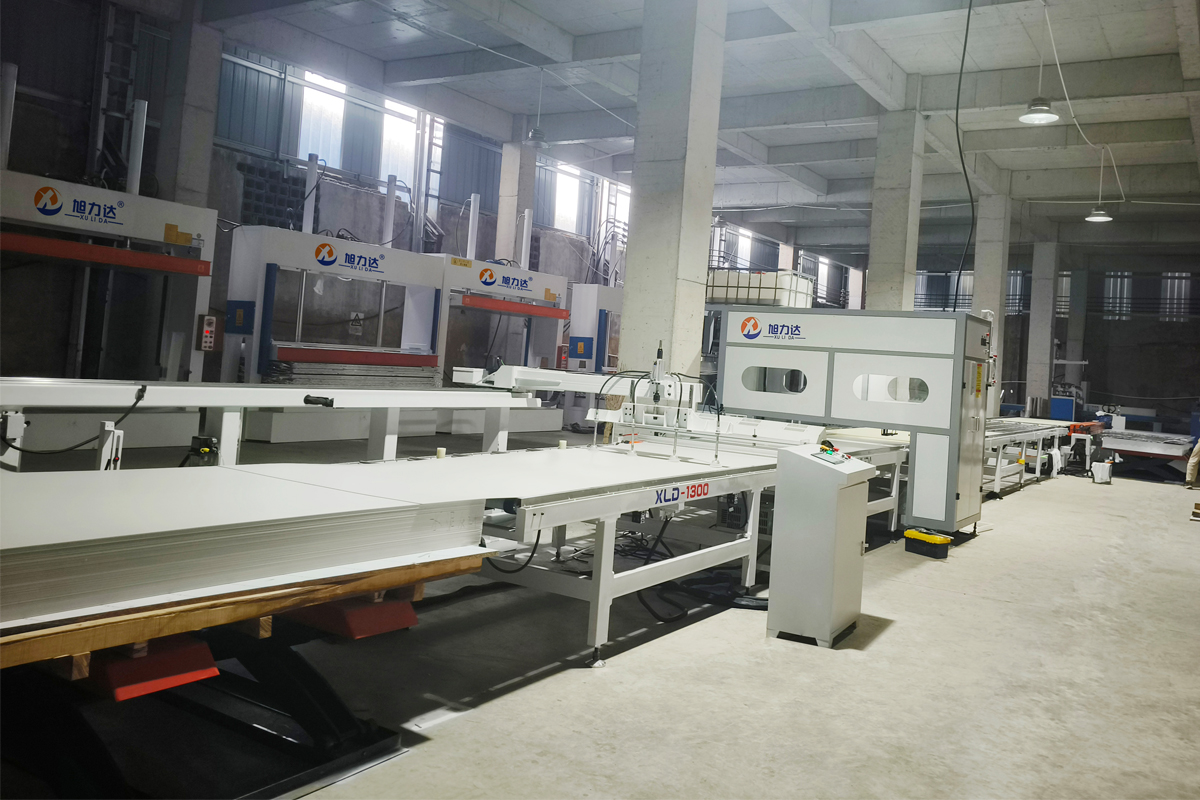
1. Fully automatic adhesive applicators for manual-assembly cleanroom panels are gaining market traction, driven by strong demand to replace manual gluing processes. Key equipment optimizations focus on adjustable adhesive layer thickness and the prevention of leakage or accumulation. These units can integrate with edge-folding, core-filling, panel-flipping, and cold-pressing equipment to form complete production lines, effectively lowering labor costs and increasing the yield of finished panels.
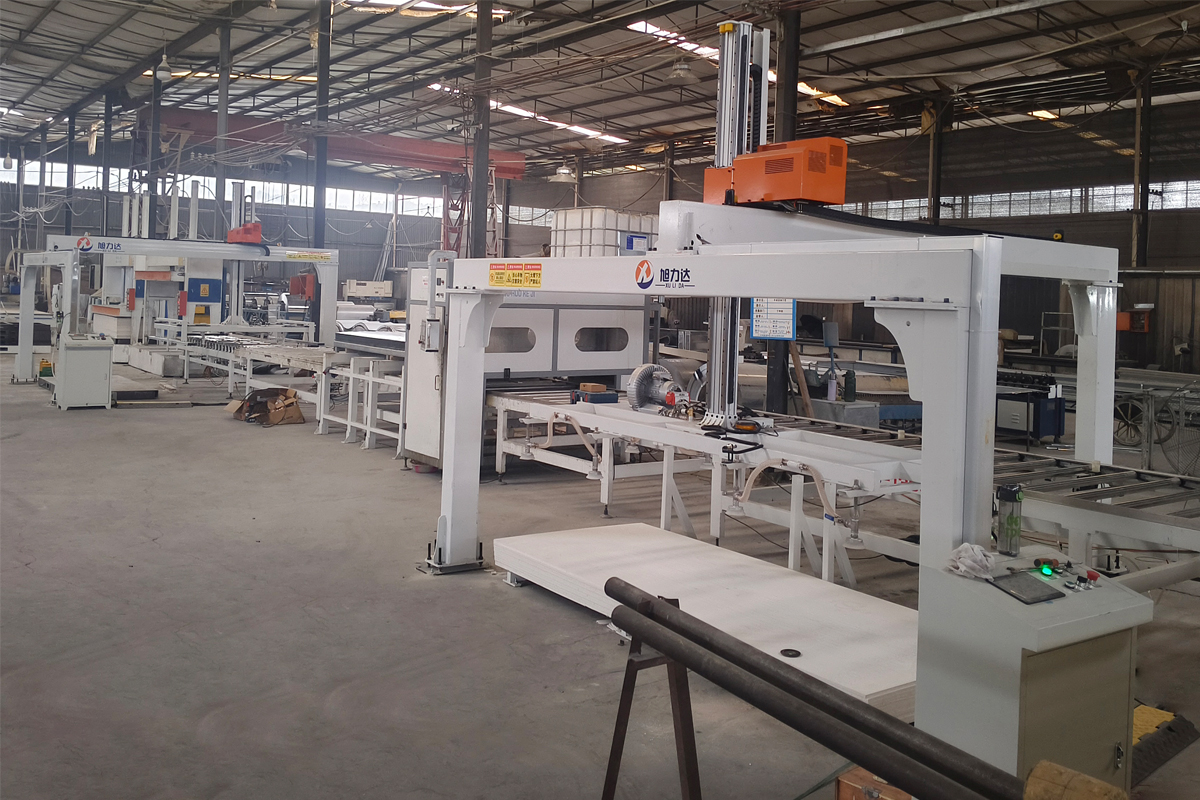
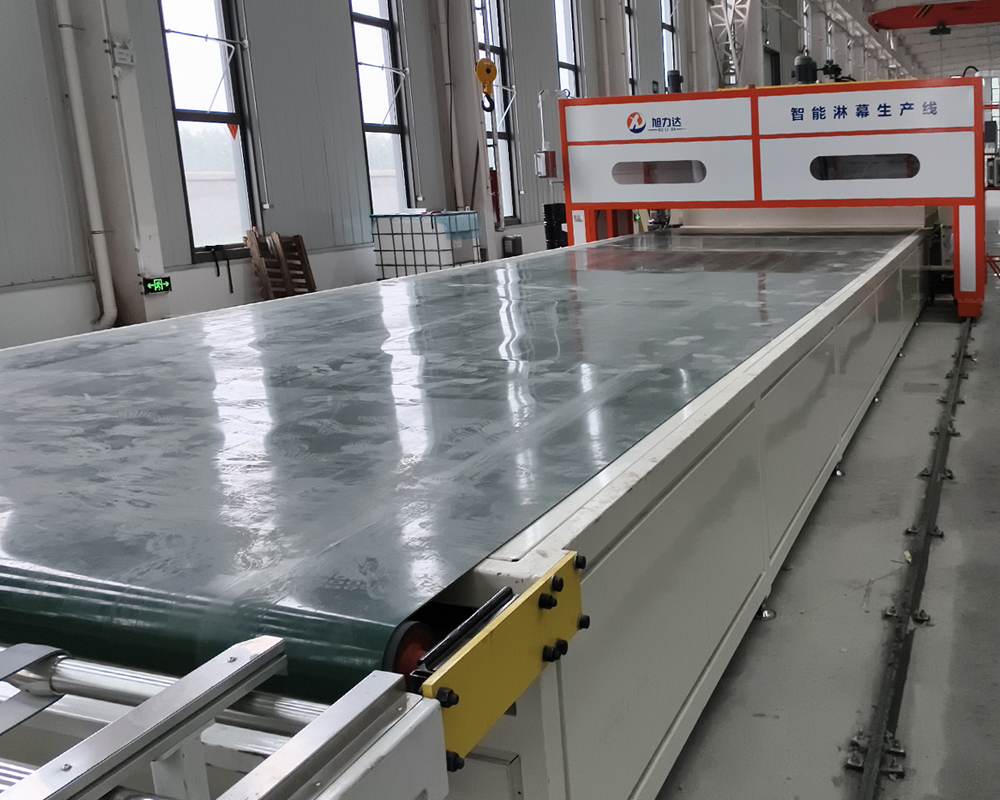
2. Large-format cantilever adhesive applicators are undergoing iterative upgrades, with mature technologies now enabling 180-degree arm rotation and centralized control of multiple vacuum platforms. A single applicator unit can service multiple workstations in rotation—allowing adhesive application to occur simultaneously with loading and pressing—thereby minimizing equipment downtime. This setup is ideal for the mass production of large panels, and several manufacturers have recently released videos demonstrating the equipment's performance in actual workshop settings. 3. Integrated systems combining cold presses, panel flippers, and curtain coaters are becoming more common. Cold press platen sizes are increasing to accommodate large-format composite panels (3–6 meters). Panel flippers ensure smooth handling, reducing scratches and impact damage caused by manual transport; the integrated production line effectively addresses challenges such as warping and uneven pressure distribution during the lamination of large panels.
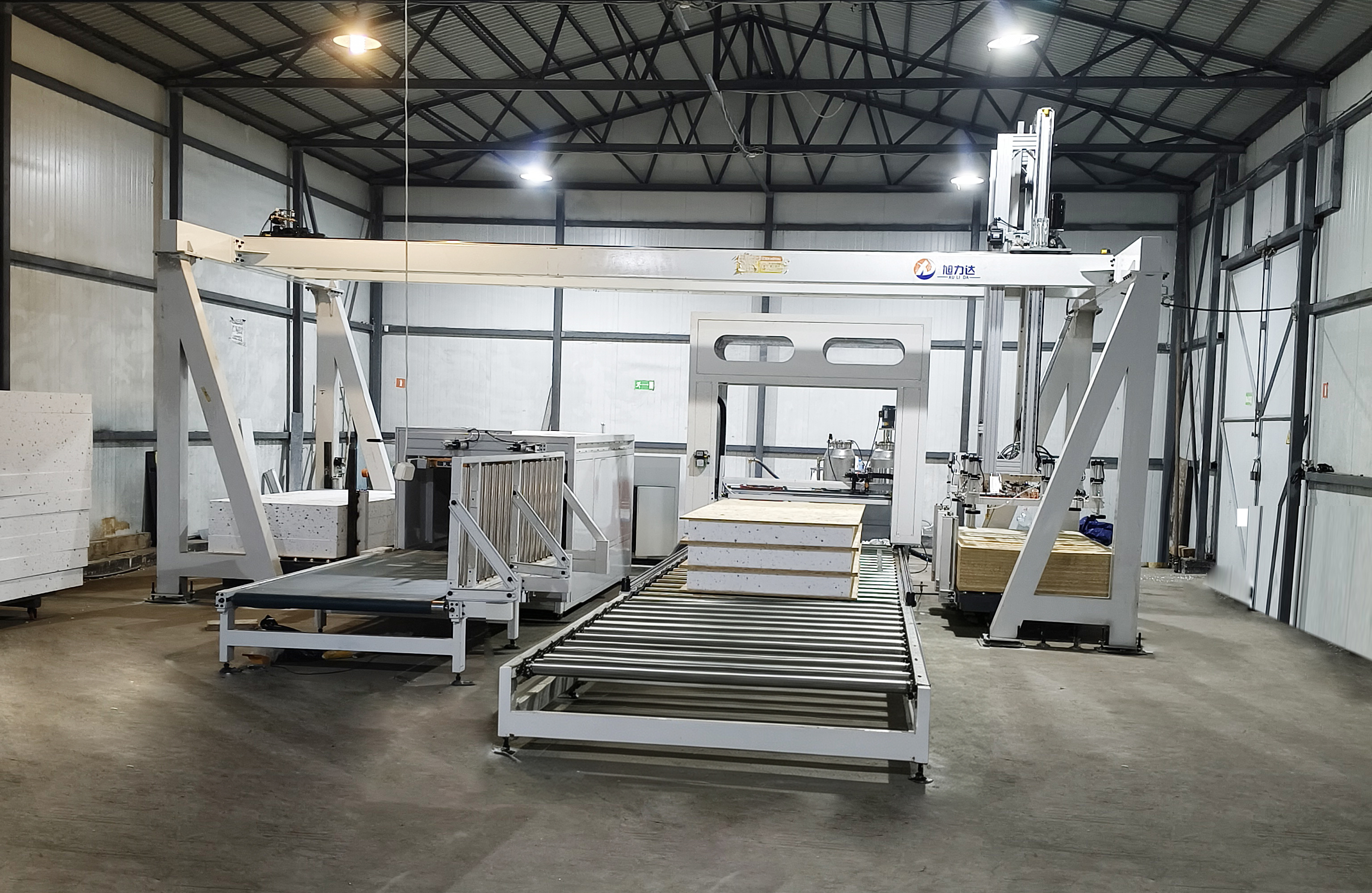
4. The precision of two-component metering curtain coating systems continues to improve, with mixing ratio errors controlled within 2%. Adhesive consumption per square meter is quantifiable and controllable, effectively reducing raw material waste; these systems are widely used in production lines for glass-magnesium duct panels and magnesium oxysulfate cleanroom panels.
III. Market and Project Information
1. Many small and medium-sized panel manufacturers are initiating equipment upgrades, prioritizing the replacement of outdated semi-automatic coating equipment. Key pain points include high labor requirements, inconsistent adhesive layer thickness, and high rework rates. Purchasing priorities have shifted from price alone to equipment stability, customization capabilities, after-sales responsiveness, and overall line compatibility.
2. Export orders continue to grow, with rising overseas inquiries for complete curtain coating and lamination lines for SIP (Structural Insulated Panels) and honeycomb panels. Overseas customers prioritize modular design, PLC touchscreen controls, and multi-language operating systems.
IV. Brief Industry Conclusion
Competition in the panel curtain coating and lamination sector has evolved from simply "being able to apply adhesive" to a contest involving high precision, multi-station processing, integrated line coordination, and compatibility with eco-friendly adhesives. Cantilevered multi-station coating, fully automated coating for manual-style cleanroom panels, and integrated coating-pressing-flipping systems will be the mainstream trends for factory upgrades in the second half of the year.
 Iterative advancements in adhesive application technology an
 Roundup of Major News in the Sheet Composite Equipment Indus
Technology Upgrading Accelerates, Green Smart Manufacturing
Roundup of Major News in the Sheet Composite Equipment Indus
Technology Upgrading Accelerates, Green Smart Manufacturing
 What is a curtain coating machine?