 简体中文
简体中文

Future Trends in Panel Lamination Equipment
I. Shift from standalone machine sales to complete production lines and process solution delivery
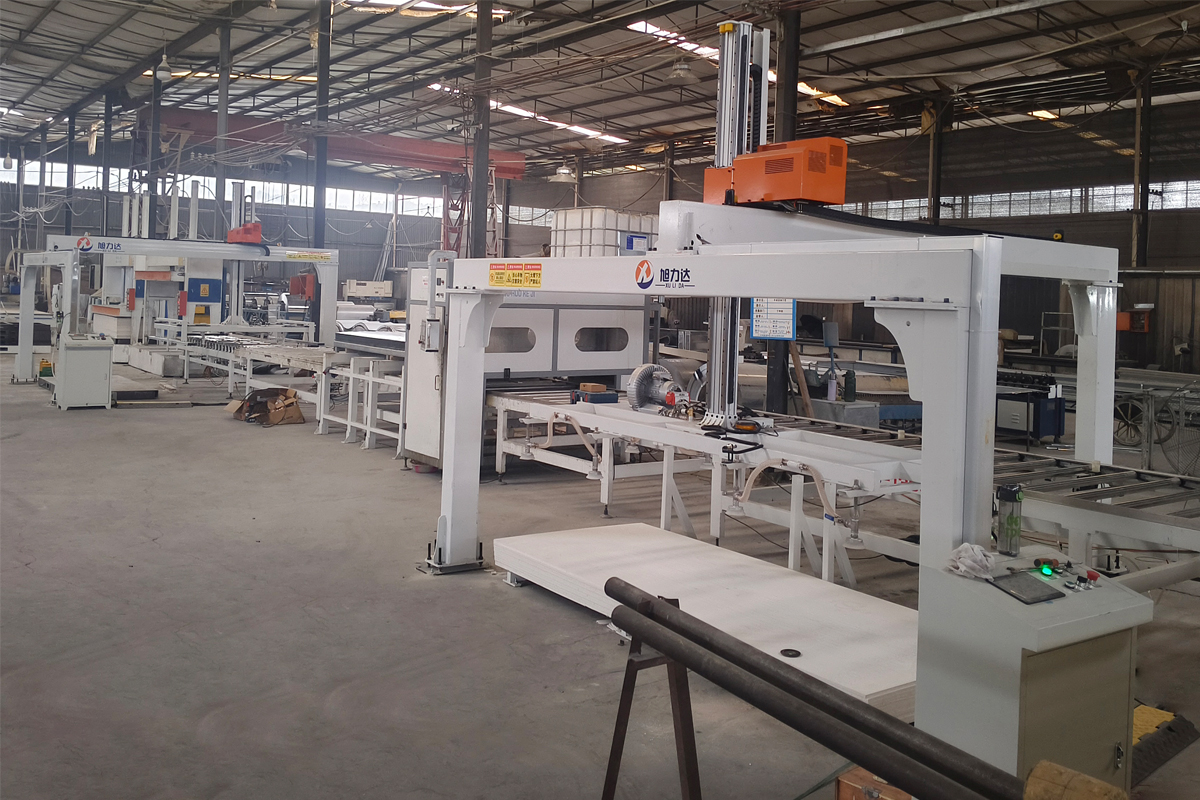
The industry has moved beyond the era of selling only individual units—such as glue spreaders, hot presses, and cold presses. Downstream customers now prefer purchasing complete composite production lines that integrate loading, glue spreading, pressing, panel flipping, and stacking, while prioritizing equipment manufacturers who offer process guidance.
- New factories are purchasing turnkey production lines directly, while existing factories are extensively retrofitting lines—adding glue-spreading units and upgrading pressing modules—to minimize modification costs.
- Competition among equipment manufacturers has shifted beyond hardware; core value-added services now include glue mixing ratios, panel pressing process tuning, and trial production support.
II. Production line flexibility: One machine compatible with multiple panel types
Flexible modularity is a key development trend. A single production line can switch between manufacturing various panels—such as aluminum honeycomb panels, SPC honeycomb panels, integrated calcium silicate panels, refrigerated truck body panels, and SIPs—by adjusting parameters, accommodating substrates of varying thicknesses and widths.
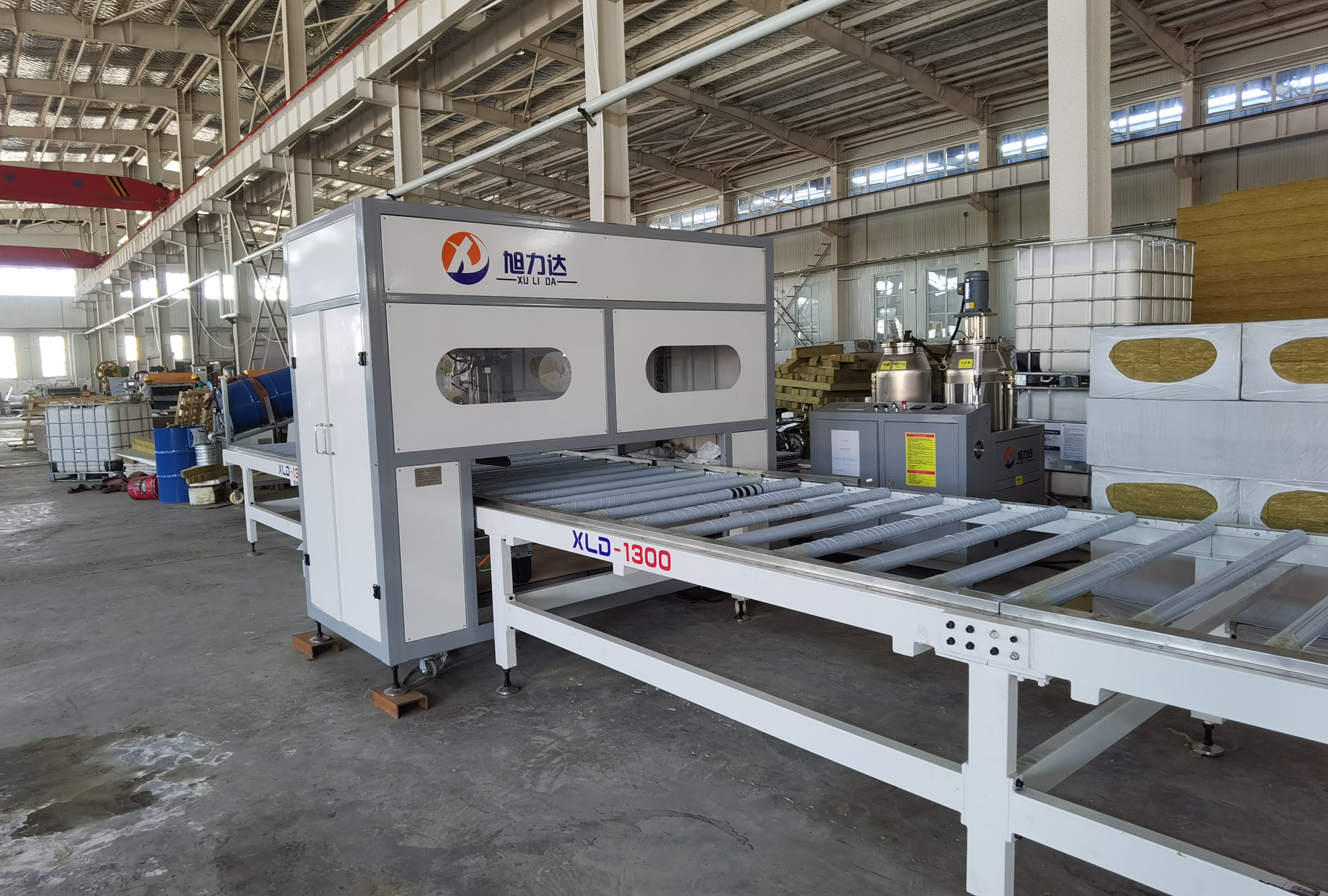
- Glue-spreading system: Features such as precise glue mixing ratios, automatic panel width recognition, and automatic glue output adjustment have become standard, supporting various adhesives like epoxy and polyurethane structural adhesives.
- Pressing equipment: Hot presses (temperature control) and cold presses (pressure) offer wide adjustment ranges and rapid changeover capabilities, accommodating small-batch, multi-specification orders and reducing the need for redundant equipment investment.
III. Intelligent upgrades: Reduced staffing and data traceability
1. IoT-enabled equipment: PLCs come as standard, supporting real-time data collection (pressure, temperature, glue mixing ratios, and spreading speed), remote monitoring, fault warnings, and remote diagnostics to minimize downtime losses.
2. Production data traceability: Glue-spreading parameters and pressing temperature/pressure are recorded for every batch of panels and integrated with factory MES systems, meeting quality control and "green factory" certification requirements.
3. Online inspection becoming widespread: Vision systems inspect glue layer conditions and panel flatness, automatically identifying defects to improve finished product yields and reduce losses from rework.
In the future, a medium-sized factory will require only 2–3 operators to monitor an entire composite production line, enabling low-manpower production. IV. Green and Low-Carbon: Reducing Energy Consumption and Adhesive Waste
Driven by "Dual Carbon" goals and environmental regulations, "green" capabilities have become a mandatory criterion for equipment selection.
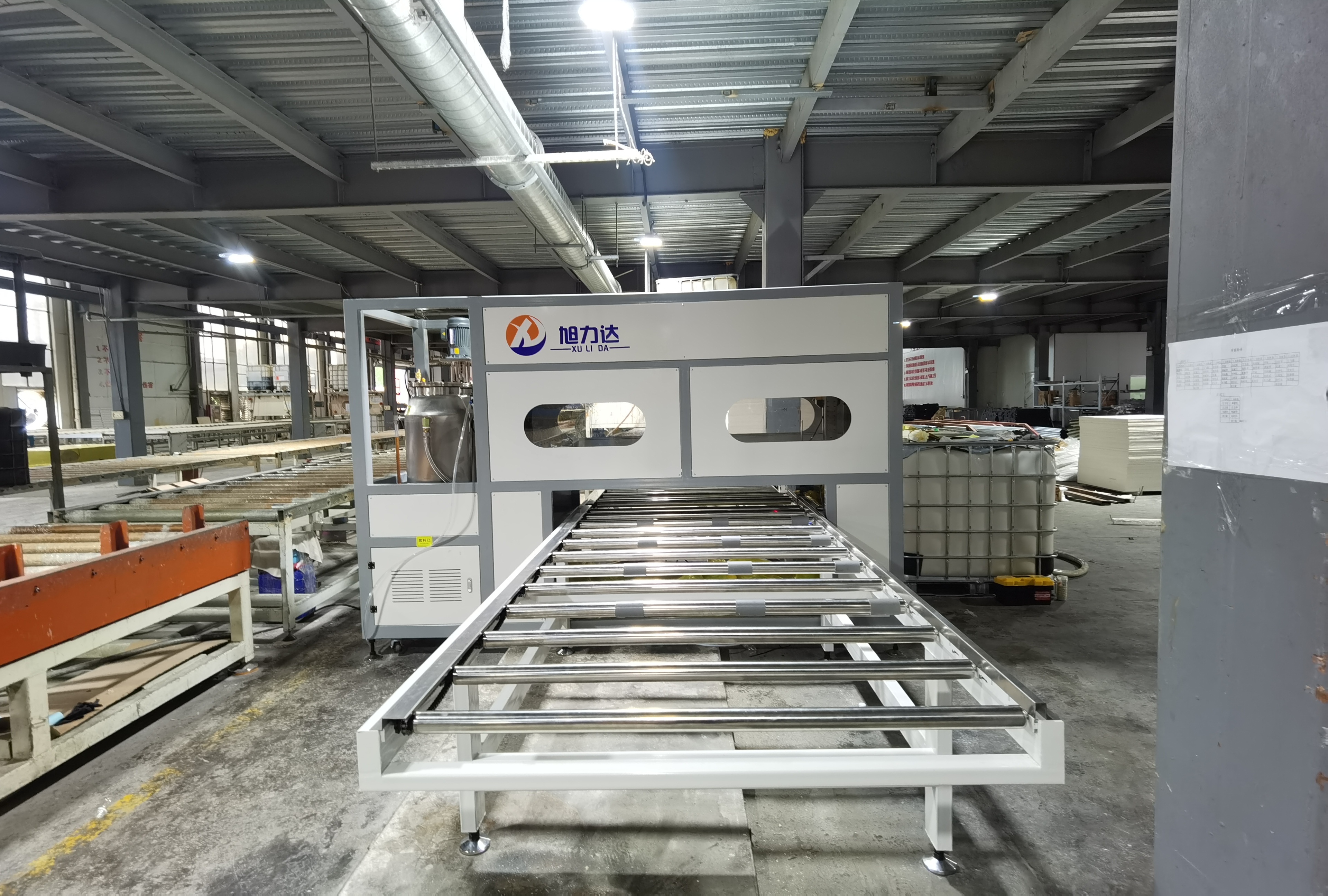
- Hot presses now incorporate thermal insulation and waste heat recovery structures to lower heating energy consumption;
- Glue coating machines feature optimized adhesive mixing and recovery systems to minimize waste and reduce VOC emissions;
- Export projects require documentation regarding energy consumption and carbon footprints to comply with overseas carbon border adjustment mechanism (CBAM) requirements.
Adhesive waste rates and energy consumption per ton of board have become key metrics for customers comparing equipment.
V. Accelerated Domestic Substitution and Continued Overseas Market Expansion
The core performance of domestic high-end glue coating and hot-press lamination equipment is rapidly catching up with imported counterparts; combined with shorter delivery times and faster after-sales support, the market share of imported equipment in China continues to decline.
Overseas Markets: There is robust demand for setting up production facilities for prefabricated building materials and cold-chain vehicle panels in Southeast Asia, the Middle East, and Latin America, leading to an increased share of export orders. Exported equipment faces increasingly stringent requirements regarding CE certification, multilingual control systems, and overseas spare parts services.
Popular Overseas Categories: Inquiry volumes continue to rise for SIP (Structural Insulated Panel) production lines, integrated glue-coating and hot-pressing lines for refrigerated truck and RV panels, and large-format honeycomb panel lamination equipment.
VI. Downstream Niche Markets Drive Equipment Upgrades
New downstream materials are constantly emerging:
1. Construction: Sustained demand for integrated calcium silicate panels, aluminum honeycomb interior/exterior wall panels, and SIP panels for passive houses;
2. Transportation: Strong demand for production lines capable of manufacturing large-format, high-bond-strength panels for refrigerated trucks, RVs, and rail transit vehicles;
3. Decoration & Home Furnishing: Emphasis on production line flexibility for manufacturing aluminum honeycomb furniture panels and SPC honeycomb ceiling panels.
 Future Trends in Panel Lamination Equipment
 Iterative advancements in adhesive application technology an
 Roundup of Major News in the Sheet Composite Equipment Indus
Technology Upgrading Accelerates, Green Smart Manufacturing
Roundup of Major News in the Sheet Composite Equipment Indus
Technology Upgrading Accelerates, Green Smart Manufacturing